2026 Best Beauty Technology Trends You Need to Know?
As we approach 2026, the beauty industry is undergoing a significant transformation. Consumers are increasingly asking, "what are the latest trends in beauty technology?" Recent reports from industry leaders indicate that beauty tech will be a $500 billion market by 2026. This monumental growth is driven by advancements in artificial intelligence, augmented reality, and personalized skincare.
AI analysis reveals that 70% of consumers prefer personalized beauty solutions. Innovative tools, such as skin analysis apps and virtual try-ons, are reshaping how customers interact with products. Yet, while technology offers efficiency and personalization, there are concerns. Data privacy issues arise when consumers share sensitive information for customized recommendations. It’s essential to balance innovation with security and trust.
The trend toward sustainability is also strong. Research shows that over 50% of consumers prioritize eco-friendly products. This shift demands that companies not only adopt advanced technology but also foster a commitment to sustainability. As we look ahead, the beauty tech landscape will continue to evolve, challenging brands to address these critical issues while meeting consumer expectations.
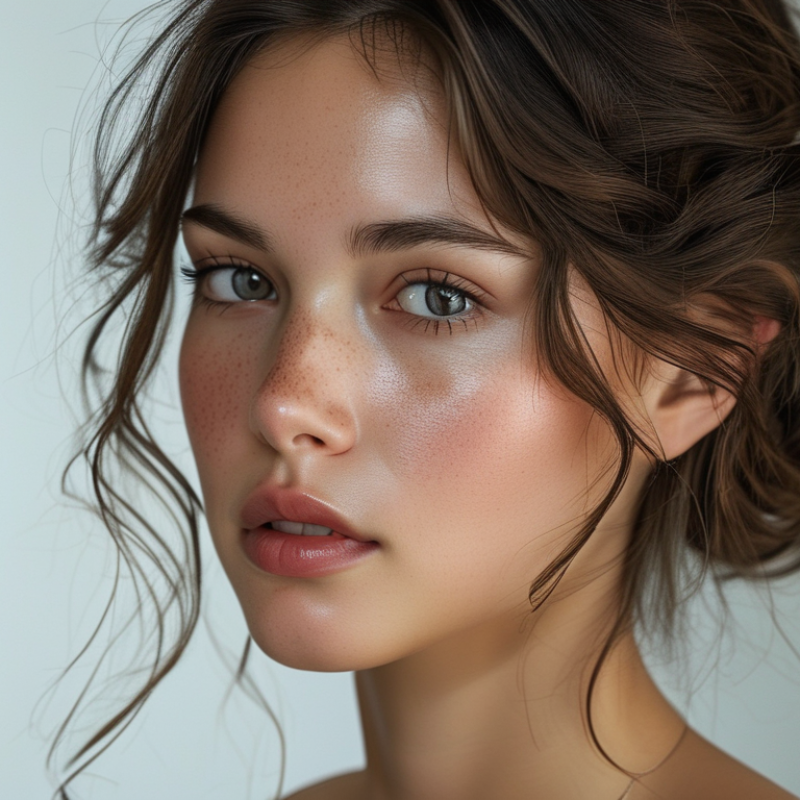
Emerging AI Innovations in Beauty Technology for 2026
The beauty industry is on the brink of transformation. Emerging AI technologies are paving the way for innovative advancements in 2026. According to a report by Statista, the global AI in the beauty sector is projected to reach $2.5 billion by 2026, a significant increase from previous years. This growth highlights the critical role that artificial intelligence plays in shaping modern beauty practices.
Personalization is a standout trend. AI algorithms analyze user data to create tailored beauty solutions. Imagine a software that accurately predicts an individual’s skin type and preferences. A recent survey indicated that 70% of consumers would consider AI-driven recommendations for skincare products. However, reliance on algorithms may overlook the nuances of individual experiences. Personalization must balance data-driven insights with human intuition.
Another emerging trend is virtual try-on technology. AI enhances the shopping experience by enabling users to visualize products. This technology reduces return rates by helping consumers make informed choices. Yet, it is crucial to ensure accuracy in representations. Research shows that 58% of customers are dissatisfied with virtual results. The challenge lies in perfecting these tools while maintaining authenticity in the beauty experience.
FAQS
I playing in the beauty industry?
AI analyzes user data to provide tailored beauty solutions, predicting skin types and product preferences.
Yes, 70% of consumers would consider AI recommendations for skincare products.
Relying solely on algorithms can overlook individual experiences and human intuition.
It helps consumers visualize products, reducing return rates and supporting informed choices.
No, 58% of customers report dissatisfaction with virtual results; accuracy remains a key challenge.
AR allows consumers to visualize products in real-time, enhancing the shopping experience from home.
Around 71% of users feel more positive about brands using AR technology.
Users report mismatches in colors and textures, which can affect their experience.
User interface design, regular updates, and consumer feedback are crucial for enhancing user experience.
Conclusion
As we look toward 2026, the beauty technology landscape is set to be transformed by several key trends. Emerging AI innovations will play a pivotal role, enabling more personalized and effective beauty solutions. Sustainable beauty tech will also gain prominence, with eco-friendly approaches to product development becoming essential. Furthermore, the use of data to tailor skincare routines is reshaping how consumers experience beauty products, allowing for individualized care that meets unique skin needs.
Additionally, augmented reality is revolutionizing the shopping experience, providing consumers with virtual try-ons that enhance decision-making. Cutting-edge devices and apps for home beauty treatments are on the rise, making professional skincare accessible to everyone. These advancements raise the question: what are the latest trends in beauty technology? The answer lies in a blend of innovation, personalization, and sustainability, ensuring a bright and responsible future for the beauty industry.
