Section 1: Executive Overview & The Strategic Value of ODM Partnerships
In the rapidly expanding medical aesthetics and smart personal care sectors, the boundaries between clinical-grade treatments and at-home rejuvenation technologies have blurred. Global beauty brands, medical spas, and aesthetic clinic chains require a reliable development partner that can transform complex biological concepts and engineering blueprints into market-ready, certified hardware.
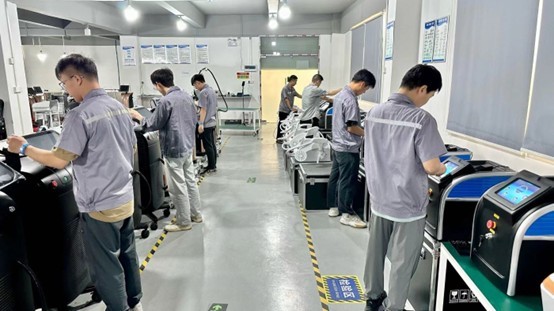
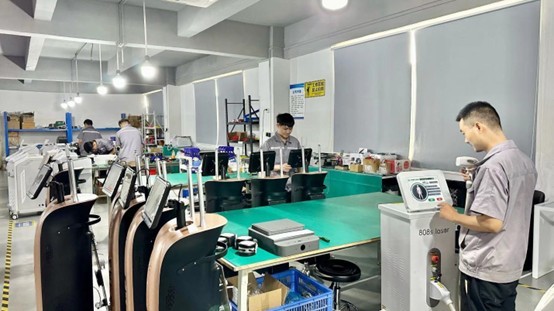
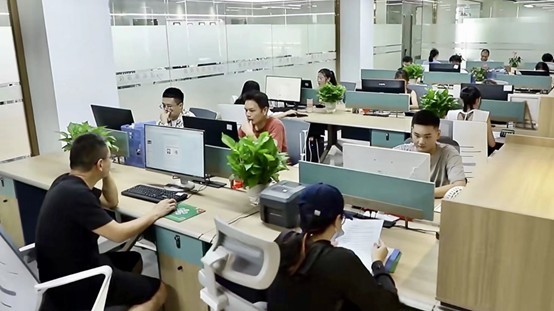
Founded in 2011, Hangzhou FMED Beauty Co., Ltd. has established itself as an industry-leading manufacturer specializing in professional facial machines, energy-based beauty equipment, and specialized aesthetic device solutions. Headquartered in Hangzhou, China, our company coordinates operations across a modern 15,000-square-meter manufacturing campus. We employ a multidisciplinary cohort of over 300 professionals in research and development, software architecture, mechanical engineering, regulatory affairs, and global supply chain logistics.
Hangzhou FMED Beauty: Operational Capacity at a Glance
Our manufacturing ecosystem is optimized for rigorous compliance and precision. Rather than operating as a simple assembly shop, our engineering facility functions as a comprehensive incubator for advanced aesthetic platforms, offering complete end-to-end design, prototyping, testing, and volume fabrication.
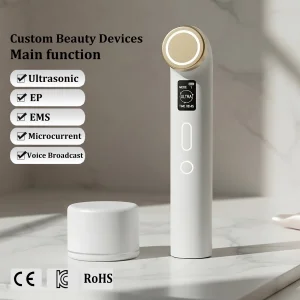
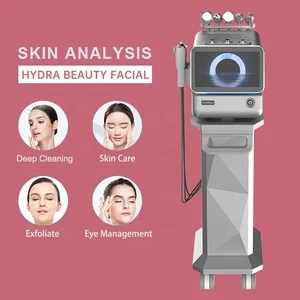
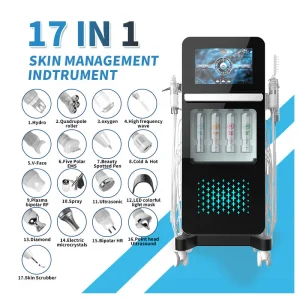
By focusing on core technology building blocks—such as advanced Radio Frequency (RF) generation, Electromyostimulation (EMS) micro-current shaping, high-intensity LED photon therapies, and AI-assisted multispectral skin analysis—we allow international partners to customize and white-label medical-grade devices without carrying the capital expenditure of early-stage electronic R&D. Our ODM infrastructure is explicitly built to deliver Information Gain: providing clients with proprietary casing designs, innovative circuit layouts, and software interfaces that establish a unique market presence.
Section 2: Global Industrial Trends & The Evolution of Energy-Based Aesthetic Devices
The global market for aesthetic devices has undergone a significant paradigm shift. Historically, the market was bifurcated: dermatologists operated massive, complex multi-wavelength lasers costing upwards of $100,000, while consumers were restricted to basic, low-power vibration wands. Today, a new category has emerged: professional-grade, compact aesthetic platforms designed for boutique medspas, localized skincare franchises, and clinical-grade home treatments.
Energy-Based Synergies
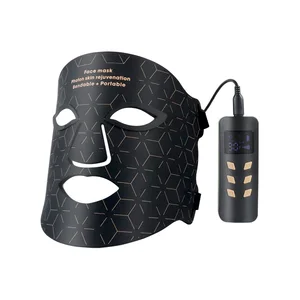
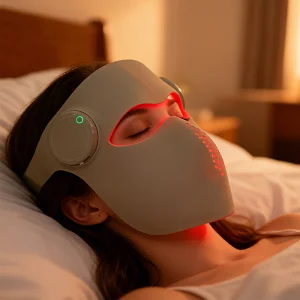
Modern devices rarely rely on a single modality. Current consumer and clinical preferences favor systems combining multi-polar radiofrequency (RF) with dynamic electrical muscle stimulation (EMS) and specific LED wavelengths (630nm red light, 415nm blue light, 830nm near-infrared) to address subcutaneous collagen remodeling and epidermal texture in a single session.
AI Diagnostic Integration
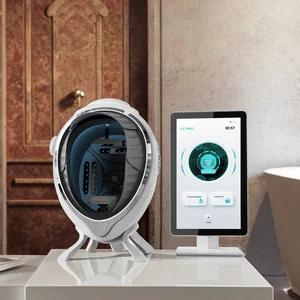
Diagnostic tools are moving from subjective observations to clinical, data-driven systems. By utilizing multispectral imaging (UV, RGB, cross-polarized light) and neural network analysis, modern skin detectors analyze sebum distribution, pore depth, vascular lesions, and emerging pigmentation before treatment begins, tracking patient improvement with precision.
Miniaturization and Portability
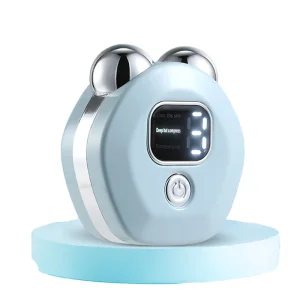
There is a surging demand for ergonomic, battery-operated, yet powerful microcurrent and microneedling devices. Replicating the motor precision of a clinical system in a handheld device requires advanced brushless motors, specialized lithium-ion power management, and high-frequency control boards that prevent voltage drops during skin contact.
To capture these dynamics, FMED Beauty integrates electronic engineering, industrial design, software development, and functional validation into a streamlined workflow. This approach allows us to deliver high-performance, compliant, and durable hardware. We ensure that our systems maintain stable energy output under varying skin resistance, preventing epidermal overheating while maximizing clinical efficacy.
Section 3: Technology Roadmap & Emerging Research Horizons
FMED Beauty’s R&D division maintains a multi-year engineering roadmap that tracks scientific literature, clinical trials, and component developments. This foresight ensures that our ODM partners remain ahead of the market curve.
1. RF and Microcurrent Circuit Design
Traditional RF systems operate on fixed frequencies, which can lead to localized thermal discomfort as skin impedance shifts. Our newest R&D focus is on Impedance-Adaptive Radio Frequency. These systems dynamically adjust output frequency (from 1MHz to 3MHz) in real-time by analyzing the resistive load of the skin, maximizing dermal heating while preserving epidermal safety.
2. Multispectral Analysis & Neural Networks
Our AI 3D Skin Detectors utilize customized high-power LED arrays emitting eight distinct light spectra. The captured images are processed using proprietary edge-computing algorithms to mapping subcutaneous structures, measuring sebum depth, and simulating aging progression. Future updates integrate cloud-based databases to track long-term recovery curves across different demographics.
3. Mechanical Precision in Microneedling and MTS
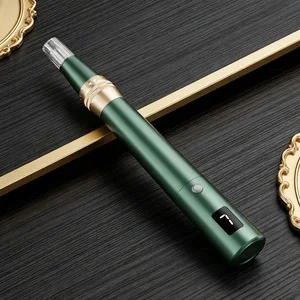
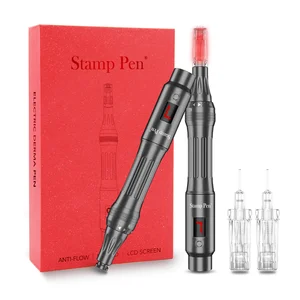
For micro-channeling devices, precision is critical. Inaccurate depth control can lead to scarring or ineffective treatments. FMED's microneedling pens utilize calibrated micro-motors and customized cartridges to maintain precise needle depth (ranging from 0.25mm to 2.5mm) under variable tissue resistance, minimizing epidermal tearing and patient downtime.
Section 4: China's Supply Chain Resilience & Hangzhou’s Logistics Advantages
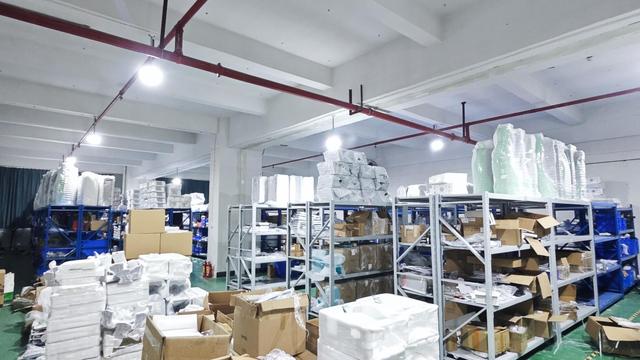
The manufacturing of advanced aesthetic machinery requires a highly integrated supply chain. Every unit combines optical components, micro-electronics, precision-molded plastics, biocompatible metals, and complex packaging materials. Hangzhou FMED Beauty leverages its strategic location in the Yangtze River Delta to provide unmatched supply chain resilience and cost efficiency.
Hangzhou is a premier hub for China’s digital economy, advanced manufacturing, and global trade logistics. Our facility enjoys direct access to a world-class cluster of component suppliers, testing laboratories, raw material providers, and high-capacity shipping hubs, including the Ningbo-Zhoushan and Shanghai ports.
Vertically Integrated R&D
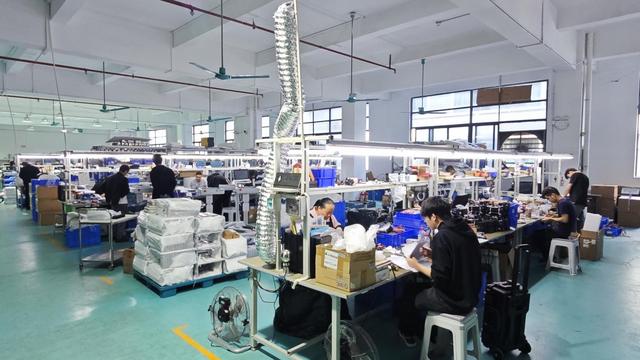
We perform raw material inspection, injection molding, CNC tooling, SMT circuit placement, software flashing, and cleanroom assembly in-house. This vertical integration reduces dependency on external suppliers and mitigates supply chain delays.
Strict Quality Control
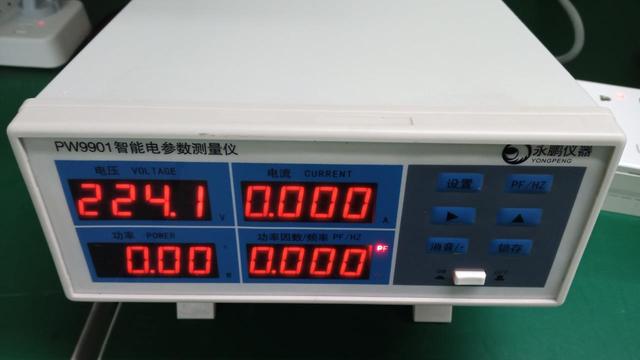
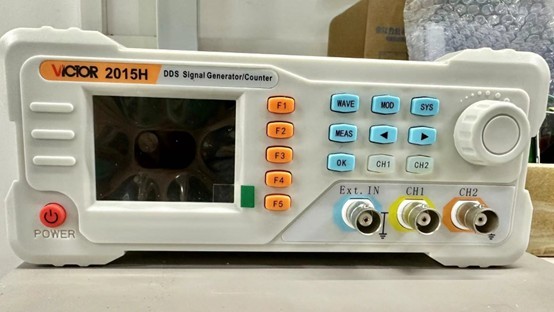
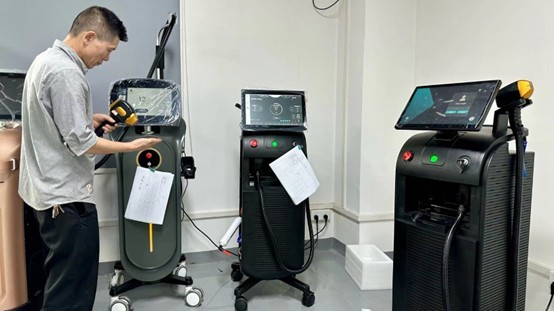
Our quality management system is structured around international medical standards. Every production run undergoes automated optical inspection (AOI), high-voltage isolation checks, temperature stability testing, and drop resistance tests before packaging.
Rapid Prototyping & Turnaround
We construct functional 3D mockups within 2 hours of concept finalization and produce complete structural prototypes within 72 hours. This speed allows our clients to secure target market share before competitors can replicate their designs.
Section 5: Global Compliance, Safety Standards & Localization Use Cases
Launching an aesthetic device globally requires navigating complex regulatory environments. A device that is well-suited for a home-use retail brand in the United States may require different safety certifications, user interface configurations, and electrical specifications than one intended for a medical spa chain in Germany or an importer in Saudi Arabia.
Key Compliance Frameworks Supported:
- European Union (CE - MDR): We design and certify devices to meet essential health, safety, and environmental protection requirements, ensuring free distribution throughout the European Economic Area.
- United States (FDA Registration): Our manufacturing facility supports FDA registration and compliance for relevant device classes, providing comprehensive technical files and laboratory test reports.
- ISO 13485 Standards: Our manufacturing processes adhere to the globally recognized quality management system standards for medical device fabrication.
Localization and Customization Support
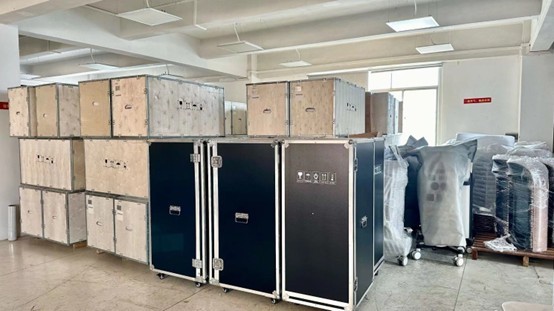
Our engineering team tailors hardware to meet local market demands. This includes adapting power cords and voltages for specific regions, translating UI software, customizing casing designs to match local branding preferences, and engineering customized packaging to protect against humidity during maritime transport.