In the beauty industry, choosing the right machines is crucial. However, the certification process can be confusing. Many professionals wonder, "what certifications do beauty machines need?" Understanding these requirements is essential for ensuring safety and efficacy. Each machine is different, and various certifications indicate compliance with specific standards.
For instance, some machines may require FDA approval, while others need CE marking in Europe. These certifications not only ensure quality but also build trust with clients. Choosing machines without proper certifications can lead to safety issues and legal challenges.
Additionally, the landscape of beauty technology is evolving. As new treatments emerge, staying informed about certification requirements is vital. Professionals should continually reflect on their machine choices and seek out reliable certifications. Doing so can enhance credibility and provide peace of mind to clients and practitioners alike.
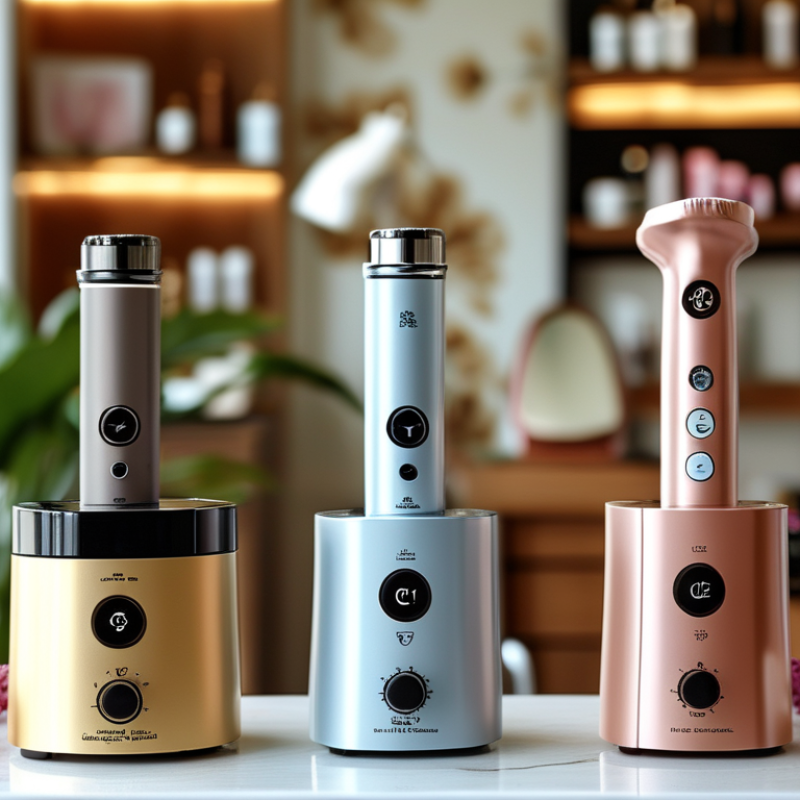
In 2026, the beauty industry is evolving rapidly. One essential factor is the certification of beauty machines. Certifications ensure that devices meet safety and performance standards. Without proper certifications, users may face risks with unverified products. Understanding these certifications is vital for making informed decisions.
Tips for choosing certified beauty machines include researching the issuing authorities. Look for organizations with a solid reputation in the beauty industry. Ensure that the certifications cover crucial aspects like safety and efficacy. Reviews from professionals who use the machines can provide insight into their reliability.
It's also important to consider regional regulations. Different countries may have various certification requirements for beauty equipment. This can affect the machine's acceptance in your local market. Evaluate the specific needs of your business and stay updated on regulatory changes. Remember, not all certifications are equal. Prioritize those that reflect comprehensive testing and proven results. Making the right choice can enhance client trust and satisfaction.
Choosing the right certifications for beauty machines is crucial for compliance and safety. The industry is governed by various standards, including ISO 13485 and IEC 60601. ISO 13485 focuses on quality management systems, ensuring that devices are consistently produced to meet regulatory requirements. IEC 60601 specifically addresses the safety and performance of medical electrical equipment.
The market for beauty devices is expanding. A recent industry report indicates that the global beauty device market is expected to reach $98 billion by 2026. As more businesses enter this market, the importance of trusted certifications cannot be overstated. Accepted certifications enhance consumer confidence, ensuring that equipment is not only effective but also safe.
Tips: Always verify the certifications of any device before purchase. Look for clear documentation that shows compliance with necessary standards. Remember that some devices may claim certifications but lack proper documentation.
It's important to remain vigilant. The absence of proper certifications can lead to serious complications, affecting both clients and businesses. Continuous research and understanding of evolving standards are essential. Be prepared to adapt as regulations change. Keeping informed helps maintain credibility and builds trust within the beauty community.
The global beauty machines market is evolving rapidly. Companies must adapt to certification requirements that reflect current trends. As consumers become more conscious of safety and quality, beauty machine providers face pressure to comply with rigorous standards. This is crucial for building trust and credibility.
In recent years, there has been a noticeable shift towards eco-friendly and sustainable beauty solutions. Certifications focusing on sustainability are gaining importance. Professionals should explore certifications that emphasize organic ingredients or eco-conscious manufacturing practices. Understanding the nuances of these certifications can enhance your market position.
Tips for choosing the right certifications:
The certification process for beauty machines is influenced heavily by regulatory bodies. These organizations ensure that beauty devices meet safety and efficacy standards. Regulations vary across regions, impacting how machines are certified and marketed. Understanding these differences is crucial for professionals in the beauty industry.
Tips: Always research local regulatory requirements. Some regions may have more stringent guidelines than others.
When seeking certification, consider the specific tests and assessments required by these regulatory bodies. Compliance with safety standards is vital. The evaluation process can be time-consuming and sometimes confusing. Professionals should not overlook the importance of thorough documentation.
Tips: Keep detailed records of all your certifications and tests. This will simplify the process of renewal and compliance checks.
Engaging with regulatory experts can provide guidance. They can help navigate complex regulations and offer insights into the most efficient certification paths. It’s important to stay informed about changes in regulations. Regular updates are necessary for maintaining compliance and avoiding penalties.
Tips: Subscribe to industry newsletters for the latest regulatory updates. This information is essential to stay ahead in the competitive beauty market.
| Certification Type | Regulatory Body | Key Requirements | Validity Period | Geographic Region |
|---|---|---|---|---|
| CE Marking | European Commission | Compliance with EU safety and health requirements | Indefinite, needs re-assessment every few years | Europe |
| FDA Approval | Food and Drug Administration | Demonstration of safety and efficacy | Indefinite, periodic audits may apply | United States |
| ISO 13485 | International Organization for Standardization | Quality management system for medical devices | 3 years, requires audit for renewal | Global |
| MDD (Medical Device Directive) | European Union | Safety and efficacy for medical devices | Indefinite, subject to ongoing compliance | Europe |
The beauty industry is constantly evolving, and so are the regulations surrounding beauty machines. As we look toward 2026, it’s clear that certifications will become increasingly important. Experts predict a rise in specific training programs focusing on safety and efficacy. These certifications are not merely checkboxes; they symbolize a commitment to quality and professionalism in an industry that often faces scrutiny.
Future growth in the beauty machine sector will hinge on consumer trust. As new technologies emerge, clients will demand proof of safety and reliability. Companies must adapt by ensuring their staff is well-versed in these certifications. However, it is vital to question whether current certification processes are sufficient. Are they comprehensive enough to cover all new innovations? This is crucial for maintaining industry standards.
Moreover, as the market expands, regulatory bodies may change their requirements. This could create inconsistencies that necessitate ongoing education for professionals. Staying updated with these changes may challenge many in the industry. It raises important questions about accountability and the pursuit of excellence. Ultimately, adapting to the demands of certification will determine the credibility of beauty providers in years to come.
: Certification ensures safety and efficacy, building trust with consumers. Compliance with standards is crucial for credibility.
Regulatory bodies and regional guidelines heavily impact certification processes. Differences in regulations require careful navigation.
Research industry standards, stay updated on trends, and align certifications with your values. Reflect on areas needing improvement.
Eco-friendly certifications are becoming essential as consumers seek sustainable options. Understanding these can enhance market position.
Engaging regulatory experts can provide necessary guidance. Don’t hesitate to seek help to navigate complexities effectively.
Maintain detailed records of all certifications and tests. This simplifies renewal processes and compliance checks.
Experts anticipate more specific training programs and evolving regulations, requiring continuous education for industry professionals.
Many question if existing processes can cover new innovations. Reflect on whether they meet industry standards adequately.
Subscribing to industry newsletters is recommended. Keeping updated is vital to staying competitive and compliant.
Ongoing education will be necessary to adapt. This could create inconsistencies and raise questions about accountability in the industry.
In 2026, the importance of certifications for beauty machines is more critical than ever, as consumers and professionals alike seek assurance of safety and efficacy. Understanding what certifications do beauty machines need has become essential for manufacturers aiming to meet industry standards and consumer demands. Key certifications include ISO standards, CE marking, and FDA approvals, which not only enhance product credibility but also ensure compliance with health and safety regulations.
Global market trends indicate a growing demand for certified beauty machines, influenced by an increasingly informed customer base and heightened awareness of wellness and safety. Regulatory bodies play a significant role in the certification process, ensuring that beauty machines meet rigorous safety and performance criteria. Looking ahead, the future of beauty machine certifications is poised for growth as technological advancements and consumer expectations continue to evolve, paving the way for innovative beauty solutions that prioritize safety and effectiveness.
