Facial devices now sit beside cleansers, serums, and sunscreen in many bathroom cabinets. Their lights flash, metal heads warm, and tiny currents promise smoother, brighter skin. Yet appearance can be persuasive without proving results. Before buying another device, many readers ask, “are facial machines effective for skincare?”
The honest answer depends on the machine, the treatment goal, and consistent use. LED masks may support selected acne or redness concerns, while microcurrent devices often create temporary, subtle tightening effects. Radiofrequency tools use heat and require careful handling. Home devices are usually less powerful than professional treatments. That can mean fewer risks, but also slower or weaker changes.
A reliable evaluation should separate marketing language from measurable evidence. Look for published clinical studies, clear safety instructions, realistic treatment timelines, and transparent product details. Dermatologists can also identify conditions that need medical care, rather than home experimentation. Patch testing and eye protection may matter, especially with light or heat-based devices. Small improvements count. So do disappointing results.
The bathroom mirror is not a laboratory. Skin changes with age, hormones, sleep, medication, and sunlight. Even diligent users may struggle to know what caused improvement. This article examines the evidence behind popular facial machines, their practical limits, and safer ways to judge results. Some claims sound impressive. They may not survive careful testing.
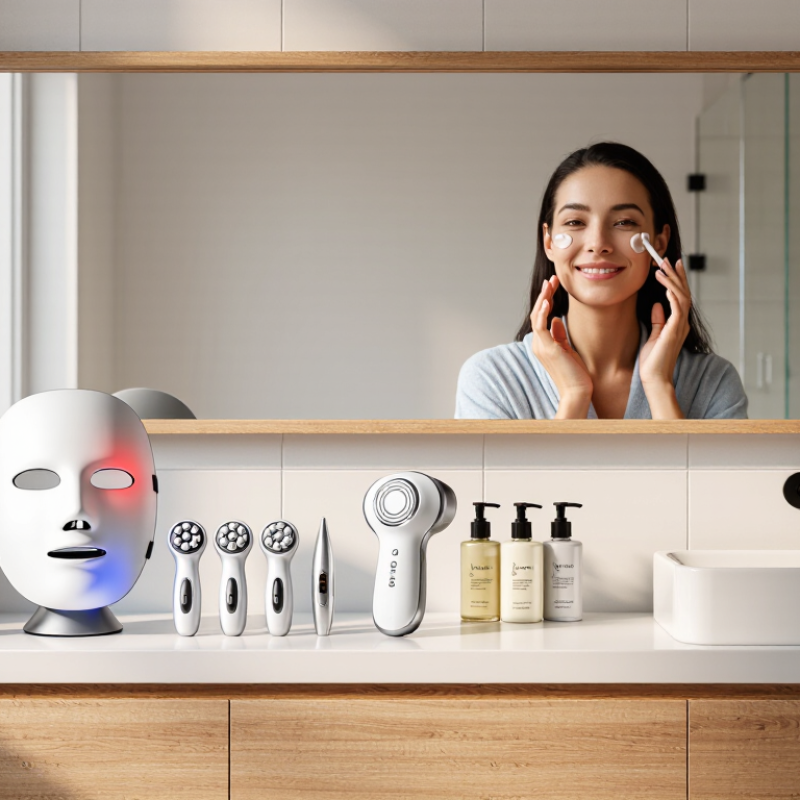
2026 How to Know If Facial Machines Work for Skin?
Facial machines should be classified by energy type, not attractive screen displays. Light-based devices use red, near-infrared, blue light, or intense pulsed light. Their FDA-cleared indications may include temporary wrinkle improvement or acne treatment. The exact wavelength matters. Red light is not automatically an acne solution.
Radiofrequency devices deliver controlled heat into deeper skin layers. Some are cleared for temporary improvement in facial wrinkles. Ultrasound devices use sound energy and may have specific lifting or skin-tightening indications. Electrical stimulation and microcurrent devices affect muscles or nerves, but their cleared claims can be narrower. Lasers vary widely, so “laser facial” is not a complete classification.
Look for the device’s FDA-cleared indication, energy type, treatment area, and user instructions. FDA clearance does not guarantee dramatic results. It means the device met a regulatory standard for its stated use, often through substantial equivalence. Results can depend on skin condition, treatment frequency, contact, and operator skill.
In practice, consistent use matters. Follow the exposure time exactly. Protect the eyes when required. Stop if burning, persistent redness, or pain appears. A warm sensation may be expected with radiofrequency, but discomfort deserves attention. Some claims still feel vague. I would question any machine promising permanent transformation, especially without clinical evidence. Photographs under the same lighting can reveal small changes better than memory. Editorial mistakes happen, too. Always verify the current clearance and contraindications before treatment.
A glowing face is not clinical evidence. A credible assessment begins with a clear baseline and consistent measurements. Photograph the same area under identical lighting, distance, and camera settings. Record visible inflammatory and non-inflammatory acne lesions before treatment. Repeat the count at fixed intervals, such as weeks four and eight. One clearer morning proves very little.
Wrinkle improvement needs more than personal impressions. Independent evaluators can use validated wrinkle grades or digital skin-surface analysis. They should compare coded images without knowing the treatment schedule. Small changes may reflect hydration, lighting, or facial expression. I have found this step surprisingly difficult in real-world testing. People often smile differently between photographs.
TEWL, or transepidermal water loss, adds useful barrier information. A calibrated device can measure how quickly water leaves the skin. Lower readings may suggest improved barrier function, while rising readings can indicate irritation. Testing should occur after a controlled rest period, not immediately after cleansing or applying products. A comparison group, repeated measurements, and peer-reviewed methods strengthen the evidence. However, small samples, short follow-up, and inconsistent home routines can weaken conclusions. Honest reporting should include missing data, discomfort, and participants who saw no change. Consistent results matter more than dramatic before-and-after images.
A facial machine can look impressive, but wavelength matters more than glowing panels. At 415 nm, blue light targets acne-related bacteria near the skin surface. A British Journal of Dermatology clinical trial reported a 76% reduction in inflammatory acne lesions after combined blue and red light treatment. However, that result came from a controlled protocol, not casual home use.
Red light at 633 nm reaches deeper tissue layers. It may support cellular energy production, reduce visible inflammation, and encourage collagen-related repair. A 2023 review in Photodermatology, Photoimmunology & Photomedicine found promising results for red-light photobiomodulation, but also noted inconsistent treatment settings. The device’s irradiance, exposure time, and total fluence can change outcomes.
Look for measured specifications, not vague “medical-grade” claims. Two machines may emit 633 nm light but deliver very different energy levels. In practice, oily skin with active breakouts may respond better to 415 nm, while redness or early texture changes may suit 633 nm. Results are usually gradual.
Less dramatic than advertisements. Keep expectations realistic. Dermatology guidelines also emphasize limited evidence for many at-home light devices. Eye protection, instructions, and skin sensitivity still matter. My own practical concern is simple: users often stop too early, then blame the wavelength. Consistent, documented use is the missing variable in many comparisons.
How to Know If Facial Machines Work for Skin?
FDA 510(k) clearance does not prove clinical superiority. It means the device is substantially equivalent to a legally marketed predicate device for a specific intended use. The FDA explains this distinction in its 510(k) Premarket Notification guidance. Clearance can support regulatory market entry, but it does not show that one device improves wrinkles, pigmentation, or firmness better than another.
Clinical proof requires stronger details. Look for randomized controlled trials, a clear comparator, adequate follow-up, and measurable outcomes. A small before-and-after gallery may look convincing, yet lighting and hydration can change the result. The ASPS 2023 Procedural Statistics report recorded more than five million nonsurgical cosmetic procedures in the United States. High demand shows interest, not superiority. I once treated regulatory clearance as a quality shortcut. That was too simple.
Tips: Check the exact FDA indication, not only the clearance number. Ask whether the study used blinded evaluators and objective measurements. Review adverse-event reporting and treatment intervals. Independent publications matter more than promotional claims. Even then, evidence can remain incomplete. Skin type, age, medication use, and operator technique may alter outcomes. A device can be legally cleared and reasonably safe, while its added benefit remains uncertain.
How to Know If Facial Machines Work for Skin?
A facial machine is not automatically safe because it feels gentle. Check its intended use, energy type, and FDA status first. FDA clearance usually means substantial equivalence to an existing device. It does not guarantee superior results or zero risk. The FDA’s MAUDE database collects reported device injuries and malfunctions. However, FDA explains that these reports cannot measure true event rates or prove causation. Treat them as warning signals, not perfect statistics.
Look for practical limits. Light devices should state wavelength, exposure time, and eye protection requirements. Electrical or radiofrequency devices need clear intensity limits and contact instructions. Contraindications deserve equal attention. Avoid use over implanted electronic devices, damaged skin, active infections, or unexplained lesions. Photosensitizing medicines can increase light-related reactions. A dermatologist should review treatment plans for users with melasma, seizure disorders, or recent procedures.
Read the adverse-event pattern, not one dramatic story. FDA reports may describe burns, pigmentation changes, swelling, pain, or eye symptoms. Repeated reports involving similar settings deserve caution. A 2024 FDA home-use device safety communication also emphasizes training, labeling, and correct operation. That matters because home users often extend treatment time, press harder, or combine devices. More exposure is not automatically better. Keep treatment records, including skin condition, settings, and reactions. Stop after persistent redness, blistering, vision changes, or unusual pain. Evidence is still uneven. A polished device can have limited independent data.
The table compares common facial-device technologies using device-specific FDA authorization principles, known contraindications, and adverse events reported in post-market databases or clinical literature. FDA clearance is not a guarantee that every device, setting, treatment area, or user is safe or effective.
| Facial Technology | What It May Improve | FDA Safety and “Limit” Considerations | Important Contraindications or Precautions | Reported Adverse Events | Practical Safety Check | Overall Consumer Risk |
|---|---|---|---|---|---|---|
| LED photobiomodulation Red, near-infrared, or blue light |
|
|
|
|
|
Low to moderate |
| Microcurrent or neuromuscular electrical stimulation |
|
|
|
|
|
Moderate |
| Radiofrequency (RF) heating Monopolar, bipolar, or multipolar RF |
|
|
|
|
|
Moderate to high |
| Intense pulsed light (IPL) |
|
|
|
|
|
High |
| Non-ablative laser Fractional or vascular/pigment-targeting systems |
|
|
|
|
|
High |
| Microneedling Motorized or manual needle devices |
|
|
|
|
|
High |
| Focused ultrasound or therapeutic ultrasound |
|
|
|
|
|
Moderate to high |
| Mechanical exfoliation or diamond-tip microdermabrasion |
|
|
|
|
|
Low to moderate |
How to interpret “reported adverse events”: Reports in FDA post-market databases, clinical studies, and case reports can identify potential hazards, but they do not by themselves establish the event rate or prove that a device caused every reported injury. Underreporting and differences in device type, treatment settings, and user skill should be expected.
FDA terminology: A device may be cleared through the 510(k) pathway, authorized through another pathway, or marketed under a different regulatory status. “FDA registered,” “FDA listed,” and “FDA cleared” are not interchangeable terms, and FDA clearance is not the same as a guarantee of effectiveness.
Primary references: FDA Overview of Device Regulation; FDA Medical Device Reporting; FDA MAUDE Database; 21 CFR Part 1040: Performance Standards for Light-Emitting Products.
Blue light works closer to the skin surface. Red light reaches deeper tissue layers. Their purposes differ.
People with oily skin and active breakouts may find it more suitable. It targets acne-related bacteria near the surface. Results still vary.
Red light may support cellular energy, calmer-looking skin, and collagen-related repair. It may suit redness or early texture changes. Results take time.
No. Irradiance, exposure time, and total fluence also matter. Two devices can emit 633 nm light but deliver different energy levels.
Not necessarily. Controlled studies use specific schedules and measurements. Casual home use may not match those conditions.
No. It indicates substantial equivalence for a specific intended use. It does not prove better cosmetic outcomes than another device.
Look for randomized trials, clear comparators, adequate follow-up, and measurable outcomes. Blinded evaluators strengthen confidence. Small photo galleries can mislead.
Improvements are usually gradual, not dramatic. Follow instructions and protect the eyes. Consistent use matters, though stopping too early is common.
Skin type, age, medications, sensitivity, and technique can change outcomes. Evidence remains mixed. I may have underestimated those variables before.
Are facial machines effective for skincare? Their value depends on the energy type, treatment goal, device settings, and quality of clinical evidence. Devices should first be classified by technologies such as LED, radiofrequency, microcurrent, or other energy-based systems, then evaluated according to the skin indications supported by their FDA-cleared use. Reliable studies should report measurable outcomes, including acne lesion counts, validated wrinkle scores, changes in transepidermal water loss (TEWL), and follow-up duration, rather than relying only on photographs or user testimonials.
LED devices also require careful wavelength comparison. Blue light around 415 nm is commonly studied for acne-related concerns, while red light near 633 nm is generally investigated for inflammation, skin recovery, and visible signs of aging. FDA 510(k) clearance indicates that a device is substantially equivalent to an existing legally marketed device; it does not prove superior clinical performance. Safety assessment should include exposure limits, eye protection, contraindications, skin sensitivity, medication interactions, and reported adverse events. Professional guidance is advisable when medical conditions or persistent symptoms are involved.
