How Aesthetic Devices Enhance Skincare Services Effectively?
The skincare industry is evolving rapidly, with aesthetic devices at the forefront of this transformation. Reports indicate that the global aesthetic market is projected to reach $66 billion by 2026, driven by advancements in technology and increasing consumer demand for effective treatments. Understanding how do aesthetic devices improve skincare services is essential for practitioners and clients alike. These devices enhance results by utilizing methods such as laser therapy, microdermabrasion, and ultrasound.
Studies show that patients report higher satisfaction levels when receiving treatments with these devices. For instance, a survey revealed that 75% of users noted significant improvement in their skin appearance after just a few sessions. However, not all devices are created equal, and reliance on them must be balanced with professional expertise. Practitioners need ongoing training to maximize the efficacy of these tools. Misuse can lead to suboptimal results or skin damage, underscoring the importance of skillful application.
As the industry grows, so does the pressure on professionals to keep up with the latest trends and technology. This leaves room for improvement in education and practice standards. Ensuring that clients receive safe and effective treatments remains a priority in advancing skincare services. It's crucial for both practitioners and patients to question and assess the effectiveness of these devices, fostering a culture of learning and adaptation.
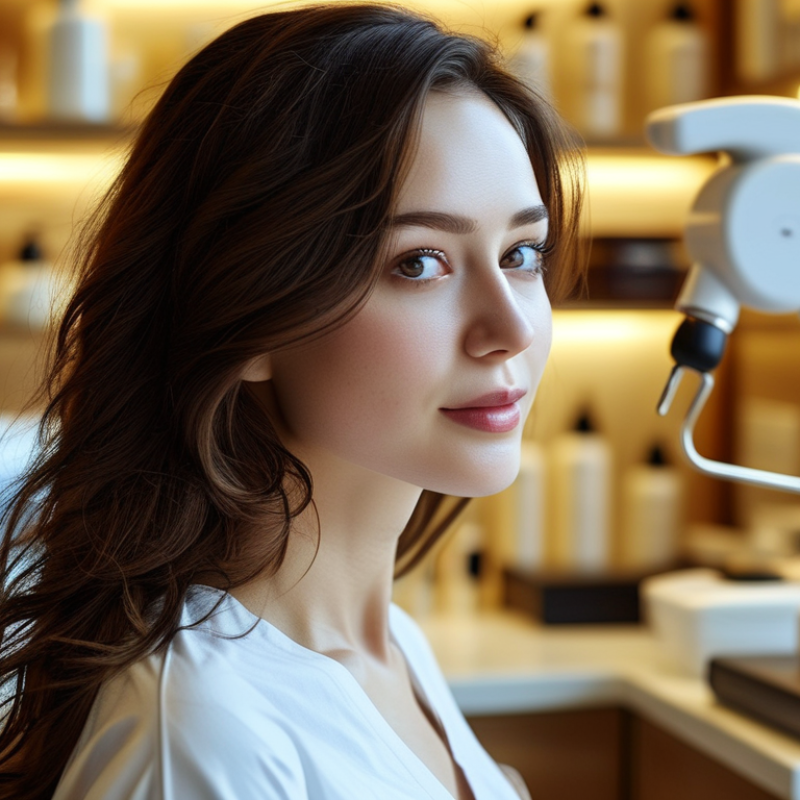
The Role of Aesthetic Devices in Modern Skincare Treatments
Aesthetic devices play a critical role in modern skincare treatments. These tools are designed to target specific skin concerns effectively. They can address issues like acne, aging, and hyperpigmentation. For instance, laser technology helps rejuvenate the skin by stimulating collagen production. This results in smoother, firmer skin over time.
Incorporating these devices requires expertise. Practitioners must be well-trained in their use. Misapplication can lead to adverse effects. There are varying levels of effectiveness, and some patients may not see the desired results. Individual skin types react differently, and this variability can cause frustration. Understanding these nuances is essential for both therapists and clients.
The integration of aesthetic devices into skincare routines has sparked interest and debate. While they provide numerous benefits, they are not a magic solution. Regular maintenance and a good skincare regimen are still crucial. Balancing device use with personalized care is key. This holistic approach can enhance treatment outcomes and promote long-term skin health.
FAQS
: Aesthetic devices are tools that enhance skin health and appearance. They include lasers and microdermabrasion machines.
Laser treatments can reduce acne scars significantly. They have a reported 90% improvement rate based on recent studies.
Microdermabrasion enhances product absorption by up to 50%. It helps exfoliate skin before applying products.
No, not all devices work for every skin type. Some lasers may cause issues like hyperpigmentation in darker tones.
Training ensures professionals use devices correctly. Knowledgeable practitioners can provide safer and more effective treatments.
Feedback helps practitioners evaluate a device's effectiveness. It can adapt techniques to meet individual client needs better.
Not every device yields the same results for all clients. Some popular devices might not truly benefit everyone.
Continuous education is crucial. Professionals should assess what trends genuinely enhance client outcomes.
Yes, understanding benefits can enhance client comfort and satisfaction. Informed clients are generally more satisfied with results.
Conclusion
Aesthetic devices play a crucial role in modern skincare treatments by significantly enhancing the effectiveness of services provided. These devices, ranging from laser therapies to microdermabrasion tools, are designed to target specific skin concerns, leading to noticeable improvements in skin texture, tone, and overall health. Statistical evidence supports the efficacy of these technologies, indicating a positive impact on skin health improvement, which contributes to their growing popularity among consumers.
Understanding how aesthetic devices improve skincare services is essential, as clients increasingly favor these advanced treatments over traditional methods. The future trends in this field suggest continuous innovations, with more sophisticated devices being developed to meet the evolving needs of skincare enthusiasts. Overall, aesthetic devices not only enrich the client experience but also elevate the standards of skincare services in the industry.
