Choosing the right beauty equipment for salons is crucial. It can significantly affect service quality and client satisfaction. What should salons consider when buying beauty equipment? This question is essential for professionals looking to enhance their business.
Quality is key when selecting tools. High-quality equipment often leads to better results and efficiency. However, budget constraints can limit options. Salons must weigh affordability against durability and performance. It's important to invest in essential tools, even if it means prioritizing certain products over others.
Moreover, staying updated with trends is vital. New technologies emerge regularly, making it necessary for salons to adapt. This can be overwhelming. Salons should also consider training for their staff on new equipment. Proper understanding and use of tools can maximize their potential. Making informed decisions can influence a salon's reputation in a competitive market.
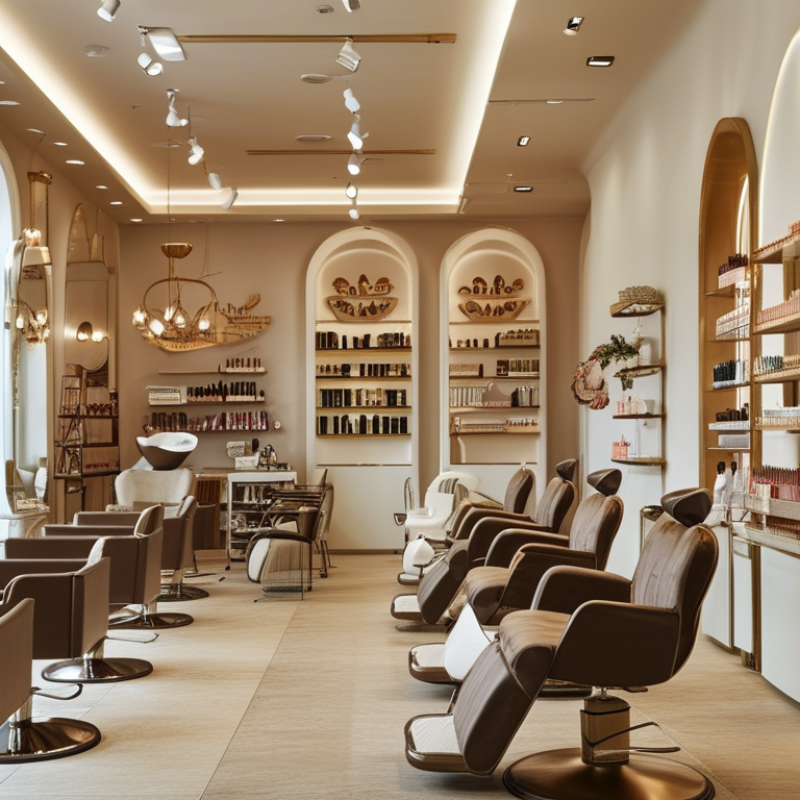
Beauty equipment plays a crucial role in salon operations. It directly affects the quality of services provided. High-quality tools enhance customer satisfaction. Clients expect results that match their investments. When salons invest in reliable equipment, they also build trust. This trust is essential for retaining clients in a competitive market.
Understanding the specific needs of a salon is vital. Each salon has unique services, whether facials, hair styling, or nail care. Equipment should match these services. For instance, a salon specializing in skin care needs devices that deliver effective results. Choosing the right tools can seem overwhelming. It requires deep knowledge of product specifications and their usages. A poorly chosen device can lead to dissatisfaction.
Investing in beauty equipment often comes with challenges. Budget constraints can affect choices. However, long-term benefits can outweigh initial costs. Researching reviews and seeking professional advice can help. Prioritize equipment that aligns with salon services and client expectations. Consider features like durability and ease of use. An informed choice will reflect positively on the salon's reputation.
When evaluating your salon's service offerings, start by identifying your clients’ needs. Focus on the most requested treatments. Conduct surveys or informal chats with clients. Understanding what they expect can guide your equipment choices effectively.
Consider the demographics of your clientele. Are they younger, tech-savvy individuals? Or are they seeking traditional beauty treatments? This insight will shape the types of equipment you invest in. For example, advanced skincare devices appeal to a younger audience, while classic tools may resonate more with older clients.
Don't forget to reflect on your current services. Are there gaps in your offerings? If clients frequently ask for certain treatments you don’t provide, it may indicate a demand for specific equipment. It can be hard to pivot, but being receptive to client feedback is crucial. Regularly reassess your inventory and services. This allows you to stay relevant and responsive.
When choosing beauty equipment for salons, key features can significantly impact your services. Reliability is paramount. Equipment should withstand daily use without frequent breakdowns. Many salons overlook this, leading to unexpected downtime. A solid warranty can offer peace of mind, ensuring that your investment is protected.
Another important factor is the versatility of the equipment. Equipment that can perform multiple functions often offers better value. For instance, a device that can handle skin treatments and hair services saves space and money. However, some professionals may find multifunction devices challenging to operate effectively. Training and understanding their limitations is essential.
User-friendliness is equally crucial. Complicated machinery can frustrate staff. Choose equipment that your team can learn quickly. Staff should feel confident in using it. Sometimes, trainers may overlook individual learning styles, leading to inconsistent service quality. In your selection process, gather feedback from your team. Their experience can reveal potential issues early on. Prioritize what your salon needs. Avoid rushing into purchases without thorough research and evaluation.
| Feature | Importance | Considerations |
|---|---|---|
| Durability | High | Choose materials that withstand daily use. |
| Versatility | Medium | Look for multi-functional devices to maximize space. |
| Ease of Use | High | Training should be minimal for staff. |
| Maintenance | Medium | Ensure easy cleaning and servicing options. |
| Safety Features | High | Look for automatic shut-off and protection mechanisms. |
| Technology Integration | Medium | Consider equipment that integrates with salon software. |
| Portability | Low | Evaluate if equipment needs to be moved frequently. |
When choosing beauty equipment for salons, evaluating brand reputation and product reviews is crucial. Clients trust salons that use reliable products. A strong reputation often translates to higher quality. It's important to examine the histories and missions of brands to understand their commitment to quality. Check how long they've been in the market. Longevity can indicate stability and trustworthiness.
Product reviews offer insights from real users. They highlight strengths and limitations of beauty equipment. A product might have rave reviews but also some negative feedback. Pay attention to recurring themes in reviews. They may point out issues like durability or efficiency. Short-term appeal can be deceiving. Look deeper into the overall user satisfaction.
Tips: Always read multiple reviews to get a balanced view. Consider user experiences that resonate with your salon's needs. Verify that the equipment has been tested and reviewed by professionals in the beauty industry. A product may be popular but not necessarily right for your specific services or clientele. Trust but verify.
Budgeting for beauty equipment in your salon is crucial for success. According to a recent industry report, salons may spend anywhere from $5,000 to $25,000 on equipment annually. This wide range depends on the services offered and the clientele served. Understanding your target market can help you decide what equipment is essential.
Investing in high-quality tools may seem costly initially. However, they often lead to a higher return on investment by attracting more clients. On average, salons that prioritize equipment quality see a 25% increase in client retention. Yet, some owners overlook maintenance costs. Routine upkeep is essential, and neglecting it can lead to unexpected expenses.
Additionally, evaluating your space is critical. A small salon may not need large, expensive machinery. Investing in compact, multifunctional equipment can optimize both space and budget. The goal is to find a balance between functionality and cost-effectiveness. It's wise to reevaluate your equipment needs regularly. Market trends change, and so do customer preferences. Being adaptable can prevent financial strain in the long run.
: Conduct surveys or chat informally with clients. This helps understand their expectations and preferences.
Analyze their demographics. Are they younger or older? This insight shapes your equipment choices.
Regular reassessment is vital. It helps you stay relevant and responsive to client needs and trends.
Salons typically spend between $5,000 and $25,000 annually on equipment, depending on offerings and clientele.
Quality tools attract more clients and can lead to a 25% increase in client retention over time.
Many overlook maintenance costs of equipment, leading to unexpected expenses.
No, compact, multifunctional equipment is often more suitable for smaller spaces and budgets.
Reevaluate equipment needs regularly to adapt to market trends and customer preferences.
Yes, being receptive to client feedback can reveal gaps in your services and lead to better offerings.
Trends change client preferences. Staying adaptable can help avoid financial strain in the future.
When choosing beauty equipment for salons, it is crucial to understand its significant role in enhancing service quality and client satisfaction. Salons need to assess their service offerings and specific client needs to select the right equipment. Key features such as functionality, durability, and ease of use should be prioritized to ensure that the equipment meets operational demands effectively.
In addition, evaluating brand reputation and reading product reviews can help salons make informed decisions. Budgeting is also an essential factor, as it allows for strategic planning and ensures that salons invest wisely in equipment that provides long-term value. Ultimately, what should salons consider when buying beauty equipment involves a careful balance of quality, functionality, customer feedback, and financial feasibility to foster a successful salon environment.
