Entering the beauty industry can be both exhilarating and challenging. Tara Davis, a seasoned expert in beauty equipment business, once said, "Success comes from understanding your market and meeting its needs." Her insight emphasizes the importance of knowledge and strategy in this niche.
Starting a beauty equipment business requires careful planning. Understanding your target customers is crucial. Are they professionals or home users? Research trends and preferences in the beauty sector. Consider the types of equipment you'll offer. Equipment needs vary, from skincare devices to hair tools. Each category has its demand and competition, which you must analyze.
Navigating this industry is not just about selling products. Building trust with customers takes time. Offer high-quality equipment and excellent after-sales service. Establishing a reliable brand reputation can set you apart. Engage with your audience through social media and education. Regular feedback can guide your improvements. Reflect on challenges and adapt. Embrace the learning process. Understanding how to start a beauty equipment business is your pathway to success.
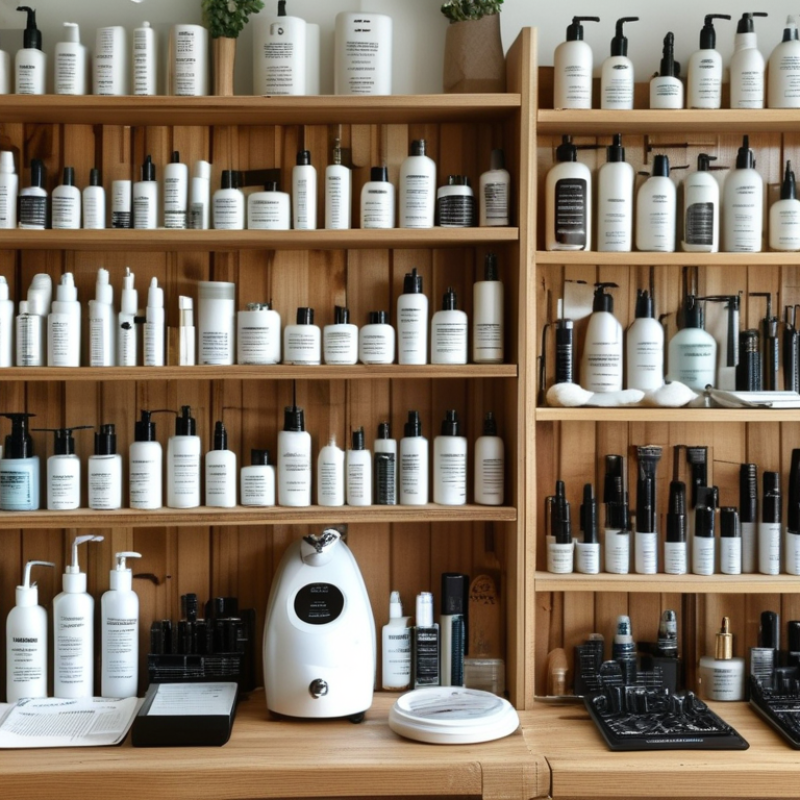
Identifying your target market is crucial for a successful beauty equipment business. Begin by analyzing demographics such as age, gender, and income level. This data helps you tailor products to customer needs. For instance, younger clients may seek trendy gadgets, while older ones may prefer tools focused on anti-aging.

Next, consider customer values. Some clients prioritize eco-friendly equipment, while others might value affordability or luxury features. Conduct surveys or focus groups to gather direct feedback. This feedback will illuminate what potential customers truly desire.
You might encounter challenges in understanding your market. Trends can shift quickly. Staying updated is essential. Regularly revisit your research and be open to adjustments. Embracing flexibility may lead to new opportunities and insights that enhance your business.
In the ever-evolving beauty equipment industry, understanding the latest trends is crucial for success. Recent data from market research indicates that the global beauty equipment market is projected to reach $50 billion by 2025. Staying updated with these trends is not only a competitive advantage but also vital for meeting consumer demands.
To begin, conduct thorough market research. Analyze reports on consumer preferences and emerging technologies. Engaging with online communities can offer insights and help identify gaps in the market. Keep an eye on innovations like 3D skin tissue models or AI-driven beauty tools that are gaining momentum. This understanding will allow you to align your inventory with what customers are seeking.
Test your assumptions regularly. Trends can shift rapidly, and what’s popular today might be outdated tomorrow. Incorporate customer feedback into your product development. Monitor your competitors as well; they can provide a benchmark for quality and innovation. Remember, adaptability is key.
Look for ways to differentiate your offerings. Whether through unique features or sustainable practices, find what sets you apart. According to a survey, 70% of consumers prefer brands that emphasize green initiatives. Tapping into this trend could enhance your brand's appeal. Embrace the journey, and don’t be afraid to iterate based on what you learn.
Creating a business plan for a beauty equipment startup requires careful thought. Start with a clear vision. What type of beauty equipment will you focus on? Think about your target market. Identify your ideal customers. Are they professionals or home users? Understanding your clientele is critical.
Next, outline your goals. Set short-term and long-term objectives. These will guide your decisions. Financial planning is essential. Create a budget that covers startup costs, including equipment and marketing. Research suppliers to ensure you choose reliable partners.
Consider competition in the beauty industry. Analyze other businesses with similar offerings. What are their strengths and weaknesses? Reflect on your unique selling points. These challenges can offer valuable insights. Don't be afraid to adapt. Flexibility is key to meeting market demands. Keep revisiting your business plan as you learn and grow.
| Tip # | Description | Importance |
|---|---|---|
| 1 | Conduct thorough market research to understand your target audience. | High |
| 2 | Create a detailed business plan outlining your goals and strategies. | High |
| 3 | Determine your legal requirements and acquire necessary licenses. | Medium |
| 4 | Source high-quality beauty equipment from reputable suppliers. | High |
| 5 | Establish a strong online presence through a professional website. | High |
| 6 | Utilize social media platforms to promote your products. | High |
| 7 | Focus on customer service to build a loyal customer base. | Medium |
| 8 | Establish pricing strategies that reflect quality and value. | High |
| 9 | Network with industry professionals to grow your business. | Medium |
| 10 | Regularly track and analyze your business performance to make adjustments. | High |
When starting a beauty equipment business, establishing reliable supply chains and vendor relationships is critical. Choose vendors who have experience in the beauty industry. Assess their reputations through reviews and referrals. Build partnerships based on trust and transparency. A strong vendor relationship can enhance product quality and timely deliveries.
Consider various supply sources to diversify your options. Relying on one supplier can lead to disruptions. Regularly communicate with your vendors to ensure flexibility and adaptability. Understand their strengths and weaknesses. This knowledge can help you navigate unforeseen challenges. Sometimes, suppliers may fail to meet expectations. Be prepared to pivot and seek alternatives quickly.
Develop a robust inventory management system. Keep track of what you need and when to reorder. This helps avoid stockouts and excess inventory, both of which can impact cash flow. Actively engage with your vendors to negotiate terms that work for both parties. Building a strong network may take time, but the rewards will be worth the effort. Reflect on your vendor relationships periodically. Continuous improvement is key to long-term success.
Creating a strong online presence is crucial for any beauty equipment business. Start by building a user-friendly website. Make sure the design is clean and reflects your brand identity. Utilize high-quality images of your products. A visually appealing site can enhance credibility. Keep content brief and informative. Clearly describe your offerings and benefits.
Social media can elevate your visibility. Choose platforms that align with your target audience. Instagram and Pinterest are popular for beauty products. Regularly post engaging content to attract followers. Collaborate with influencers to expand your reach. Their endorsement can add authenticity to your brand. Remember, consistency in posting is key.
Even with a solid strategy, expect hurdles. Analytics may show unexpected results. Some platforms might not yield the desired engagement. Reflect on what works and what doesn’t. Adapt your approach based on feedback and data. Success won’t come overnight, and learning from mistakes is part of the process. Embrace it, and keep iterating.
: Understanding the target market helps tailor products to meet customer needs, improving sales.
Consider age, gender, and income level to determine customers’ preferences and needs.
Some clients prefer eco-friendly options while others may seek luxury features or lower prices.
Surveys and focus groups can provide valuable insights into customer desires and trends.
Customer trends can shift quickly, making regular research essential for business adaptability.
A clear vision, target market understanding, financial planning, and goal setting are vital elements.
Evaluate their reputation and experience in the beauty industry through reviews and referrals.
Be prepared to swiftly find alternatives and adjust your supply chain strategy.
Effective inventory tracking avoids stockouts and excess inventory, which can disrupt cash flow.
Adapting to changes and communicating regularly with vendors can enhance product quality and reliability.
Starting a beauty equipment business requires a strategic approach to ensure success in a competitive market. To effectively learn how to start a beauty equipment business, one must begin by identifying a target market, which will guide product selection and marketing efforts. Researching the latest trends in the beauty equipment industry is crucial, as it helps in understanding customer preferences and emerging technologies.
Developing a comprehensive business plan is essential for outlining your business goals and operational strategies. Establishing strong supply chains and vendor relationships will ensure that you have reliable access to quality products. Finally, creating a robust online presence through effective marketing strategies will help you reach potential customers and establish your brand in the beauty equipment sector. Each of these steps plays a vital role in building a successful beauty equipment business.