How Do Facial Machines Work China Top Guide?
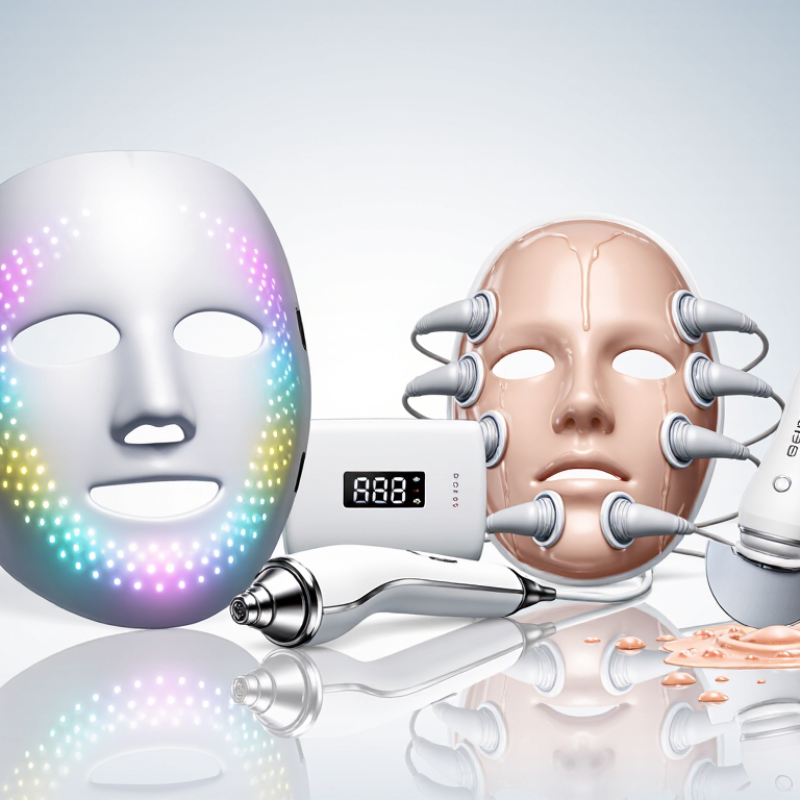
How do facial machines work China Top Guide introduces the technology behind modern professional and home skincare equipment. These devices do not all use the same method. LED masks deliver controlled light to the skin’s surface. Radiofrequency devices create gentle heat in deeper tissue. Microcurrent tools send low-level electrical signals across conductive gel. Ultrasonic spatulas use rapid vibrations to loosen surface debris and excess oil.
Dr. Zoe Diana Draelos, a board-certified dermatologist and cosmetic science educator, states, “The skin is the largest organ of the body.” That reminder matters when evaluating facial technology. Skin is living tissue, not a simple surface to polish. Device performance depends on energy level, treatment duration, skin condition, and correct technique. A warm RF handpiece may feel comfortable, yet excessive heat can cause irritation. A bright LED mask may look impressive, but wavelength and exposure time still matter.
This guide examines how do facial machines work through practical details, not exaggerated promises. We will compare energy sources, treatment steps, safety controls, and realistic outcomes. A clean probe, fresh electrode pad, and properly applied gel can change the experience. Small details matter. Manufacturer instructions also deserve attention, especially for products made in China and sold internationally. Certifications, electrical standards, warranty support, and clear contraindications should be checked before purchase or use.
Some explanations may remain imperfect because device designs vary widely. That uncertainty is worth acknowledging. A machine’s appearance does not prove its effectiveness. Professional training, documented testing, and careful observation provide stronger evidence. Expect gradual changes, not instant transformation.
What Are Facial Machines and What Skin Concerns Do They Address?
Facial machines are handheld or salon-based devices that deliver controlled energy to the skin. Common types include LED therapy, microcurrent, ultrasonic spatulas, radiofrequency, and gentle cleansing tools. Each technology works differently. LED devices use selected light wavelengths, while microcurrent sends very low electrical signals across the skin. Radiofrequency warms deeper tissue, and ultrasonic tools use rapid vibrations to loosen surface debris.
These machines may support several concerns, including dullness, mild congestion, uneven texture, dehydration, and early signs of aging. LED therapy is often used to calm visible redness or support blemish-prone skin. Microcurrent may temporarily improve the look of facial contours. Radiofrequency can make skin feel firmer over time, but results depend on energy settings, treatment frequency, and skin condition. Results vary.
Professional assessment matters. Sensitive skin may react to heat, friction, or active products used during treatment. A device should never replace medical care for persistent acne, severe inflammation, or unexplained skin changes. In practice, inconsistent use is a common weakness. Many people expect dramatic results after one session, then stop using the device carefully. That expectation needs correction. Clean contact surfaces, follow the manufacturer’s safety instructions, and protect the eyes when required. Some contraindications are easy to overlook, especially with implanted electronic devices or photosensitive conditions. When uncertain, consult a qualified dermatologist before treatment.
How Do Facial Machines Work? China Top Guide: What Are Facial Machines and What Skin Concerns Do They Address?
| Facial Machine Type | How It Works | Common Skin Concerns | Typical Benefits | Treatment Experience | Key Safety Notes |
|---|---|---|---|---|---|
| Facial Steamer | Produces warm water vapor that temporarily softens the outer layer of the skin and increases surface moisture. | Dry-feeling skin, surface buildup, and preparation before cleansing. | Helps loosen surface debris and provides a warming, relaxing experience. | Warm mist is directed toward the face for a short period. | Avoid excessive heat and prolonged use. Use caution with rosacea, eczema, sensitive skin, or heat-triggered redness. |
| Ultrasonic Skin Scrubber | A vibrating metal spatula uses high-frequency mechanical oscillation with water or a conductive solution to loosen surface impurities. | Surface oil, dead skin cells, and mild congestion. | Provides gentle exfoliation and supports a smoother-feeling skin surface. | Usually feels like light vibration; the skin should remain adequately damp. | Do not press heavily or use over open wounds, active irritation, or severe inflammatory acne. |
| Galvanic or Ionic Facial Device | Uses low-level direct current and conductive products to support product application or a cleansing-focused treatment. | Dehydrated skin, dull appearance, and surface impurities. | May improve the feel of hydration and help distribute compatible water-based products evenly. | A mild tingling sensation may occur during treatment. | Avoid use with implanted electronic devices, uncontrolled epilepsy, or damaged skin unless cleared by a qualified professional. |
| Microcurrent Device | Delivers very low electrical currents through conductive gel or serum; the intended effect is gentle facial stimulation rather than muscle training. | Temporary loss of firmness, facial puffiness, and tired-looking skin. | May create a temporary lifted or toned appearance and support a refreshed look. | Often produces mild tingling or little noticeable sensation. | Follow the device instructions. Avoid use with pacemakers or other implanted electronic devices without medical approval. |
| LED Light Therapy Device | Uses non-ultraviolet visible light. Blue light is commonly used for acne-related bacteria, while red or near-infrared light is used to support cellular signaling and inflammation management. | Mild acne, redness, inflammation, and early signs of photoaging. | May reduce the appearance of blemishes and support a more even-looking complexion with consistent use. | Usually painless, with mild warmth possible. | Use the recommended eye protection. Photosensitizing medicines and light-sensitive conditions require professional guidance. |
| High-Frequency Facial Device | Uses a glass electrode to deliver a high-frequency electrical current across or just above the skin, creating a mild warming effect. | Occasional blemishes, excess surface oil, and dull-looking skin. | May provide a temporary fresh appearance and support a cleansing-focused facial routine. | Mild warmth, vibration, or a brief snapping sensation may be felt. | Avoid flammable products, broken skin, and use near implanted electronic devices. Professional training is recommended. |
| Radiofrequency (RF) Device | Uses radiofrequency energy to generate controlled heat in deeper skin layers, encouraging collagen-related remodeling over time. | Mild skin laxity, fine lines, and reduced firmness. | May gradually improve the appearance of firmness and skin texture. | A controlled warming sensation is expected; discomfort should be avoided. | Incorrect settings can cause burns. Avoid use over metal implants or in pregnancy unless a qualified clinician confirms suitability. |
| Ultrasound Facial Device | Uses high-frequency sound waves and a conductive medium to create mechanical effects and, in some devices, gentle thermal effects. | Dryness, uneven texture, and dull appearance. | Can support smoother-feeling skin and more even application of compatible products. | Usually comfortable with gel; slight warmth or vibration may be noticed. | Use sufficient conductive gel and avoid treatment over active infections, open lesions, or areas with impaired sensation. |
| Hydro-Dermabrasion Device | Combines liquid-based cleansing or exfoliation with controlled suction to remove surface debris and deliver a solution. | Congested pores, rough texture, excess oil, and superficial dryness. | Provides cleansing and temporary smoothness without the abrasiveness of traditional crystal resurfacing. | A cool, wet, pulling sensation is common; mild temporary redness may occur. | Suction intensity should match skin sensitivity. Avoid over active inflammation, fragile capillaries, or recently treated skin. |
| Vacuum Extraction Device | Uses negative pressure to lift surface oil and loosened debris from the skin. | Visible blackheads, oily areas, and superficial congestion. | May temporarily make pores look cleaner and reduce surface oil. | A pulling sensation is expected; bruising or redness can occur if suction is excessive. | Use low settings first and keep the handpiece moving. Avoid severe acne, broken capillaries, wounds, or recently exfoliated skin. |
General note: Facial machines can support a skincare routine, but results depend on the device specifications, treatment frequency, skin condition, and correct technique. They are not substitutes for diagnosis or medical treatment. Follow the operating instructions and seek professional advice for persistent acne, severe redness, pigmentation changes, or damaged skin.
FAQS
Facial machines deliver controlled energy through light, heat, vibration, or low electrical signals. They may support dullness, mild congestion, dehydration, uneven texture, and early aging signs. Results vary.
LED therapy may calm visible redness and support blemish-prone skin. It uses selected light wavelengths. Protect the eyes when required.
Microcurrent may temporarily improve the look of facial contours. The effect depends on skin condition, settings, and treatment consistency. It is not permanent.
It begins with consultation, not equipment. The practitioner reviews sensitivity, medications, medical history, and treatment goals. Cleansing removes makeup, oil, and surface debris.
The practitioner applies conductive gel when needed. The handpiece moves slowly across the face. Temperature, comfort, and skin response receive constant attention. It should not feel painfully hot.
Request operating limits, user instructions, maintenance details, and exact test reports. Inspect cables, connectors, labels, insulation, and handpieces. Small gaps matter.
Check overheating protection, electrical safety, stable output, and emergency shutoff functions. Ask about skin-contact materials and cleaning methods. A short demonstration is not enough.
People may expect dramatic changes after one session, then stop using the device. Results depend on settings, frequency, age, and skin condition. Expectations need correction.
Consult a qualified dermatologist for persistent acne, severe inflammation, unexplained skin changes, photosensitive conditions, or implanted electronic devices. Sensitive skin may react to heat or friction. Be cautious.
Residue should be removed, followed by calming skincare and sunscreen. Mild redness may appear briefly. Follow hydration and sun-protection advice. Sometimes gentler is better.
Conclusion
Facial machines are professional devices designed to support skin cleansing, hydration, exfoliation, rejuvenation, and targeted care for concerns such as dullness, uneven texture, congestion, fine lines, and reduced firmness. Understanding how do facial machines work begins with their energy sources and treatment functions. Depending on the device, they may use controlled heat, vibration, electrical currents, light, suction, oxygen flow, or mechanical exfoliation to prepare the skin, improve product application, and enhance the appearance of the complexion.
A typical professional treatment includes skin analysis, cleansing, preparation, machine application, product infusion or targeted care, and post-treatment soothing. Chinese facial machines are available in many configurations, from compact multifunction systems to specialized equipment for salons and clinics. Buyers should evaluate safety controls, adjustable settings, material quality, user instructions, maintenance requirements, testing documentation, and supplier support. Proper training and responsible operation are essential to ensure consistent results and protect different skin types during every treatment.
