The demand for facial machines continues to rise globally. Many buyers seek quality and advanced technology in these devices. Understanding how are facial machines manufactured is crucial for global buyers. Expert Dr. Emily Chen, a renowned engineer in the beauty tech industry, states, "Precision in manufacturing drives innovation in facial machines."
Manufacturing these machines involves multiple steps. Each component must meet strict quality standards. Manufacturers often rely on high-tech processes and materials. However, the industry faces challenges, such as rapid changes in consumer preferences. Not all manufacturers keep pace with these trends.
Global buyers need to consider various factors when evaluating suppliers. Reliability and expertise play significant roles in this process. While some manufacturers excel, others may need to enhance their quality control. As the market evolves, continuous improvement remains essential for success. Understanding how are facial machines manufactured can empower buyers to make informed decisions.
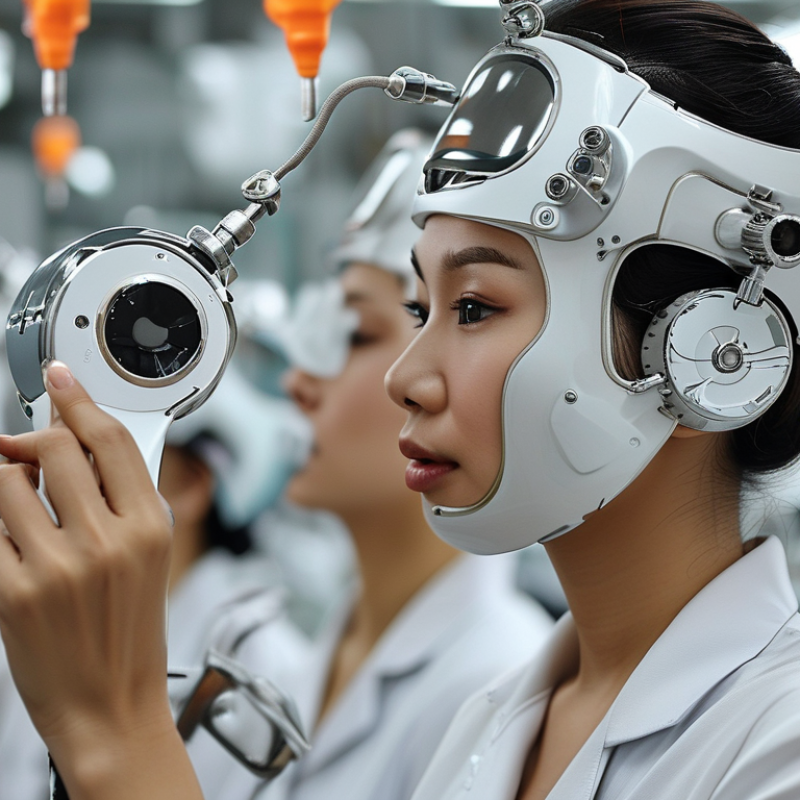
The global market for facial machines is evolving rapidly. According to a recent industry report, the demand for advanced facial care devices is set to grow by over 7% annually. This trend is driven by increasing consumer interest in skincare and wellness. Facial machines, which include devices for cleansing, exfoliating, and anti-aging treatments, are becoming essential in both household and professional settings.
North America and Europe currently lead the market, with a combined share of approximately 60%. Consumers in these regions prioritize high-quality products and are willing to invest in effective skincare solutions. Emerging markets in Asia-Pacific, however, show significant growth potential. In countries like China and India, a rising middle class is contributing to increased sales of affordable yet effective facial machines. This shift highlights the need for manufacturers to adapt their strategies to meet diverse consumer preferences.
Quality control in manufacturing remains a challenge. Many companies face difficulties in sourcing reliable components that meet international standards. Additionally, staying ahead of regulatory requirements can be daunting. As the market continues to expand, manufacturers must focus on innovation and compliance to sustain growth. Adapting to consumer trends while ensuring reliability will be key for future success.
Manufacturing facial machines involves a blend of advanced technologies and critical components. The core aspect revolves around precision engineering. Each machine requires durable materials that withstand heat and moisture. For instance, stainless steel is often crucial for the outer casing, providing both durability and aesthetic appeal. Alongside this, various sensors are integrated to monitor skin conditions. They ensure the right settings are applied during treatment.
Another significant element in this manufacturing process is the software. The software must be user-friendly and adaptable. It allows practitioners to customize treatments based on individual needs. Machine learning algorithms can enhance the effectiveness of the treatments over time. However, developing such software poses challenges. Ensuring compatibility with different hardware setups can lead to unforeseen issues.
Quality control is vital in facial machine production. Manufacturers often face difficulties in maintaining consistent quality across batches. Testing procedures can reveal flaws in design or functionality that need addressing. Such reflections on the manufacturing process may inspire improvements in future designs, fostering innovation in the industry. The complexity of creating facial machines underscores the importance of collaboration among engineers, technicians, and researchers.
Manufacturing facial devices involves intricate processes. It starts with extensive research and design. Engineers brainstorm ideas based on current market needs. They draft designs using advanced software, ensuring functionality. Creating prototypes follows, allowing for testing and refinement.
After finalizing designs, production begins. Skilled technicians utilize advanced machinery to fabricate components. Each part is crafted with precision. Materials are chosen carefully, focusing on skin safety and durability. Quality checks occur at every step of production to ensure that only the best devices reach consumers.
Despite careful planning, challenges arise. Some designs may not work as intended. Material defects can occur, delaying production. Continuous feedback loops are essential for improvement. Every flaw becomes a learning opportunity, enhancing future manufacturing processes. This ongoing journey underscores the commitment to producing reliable and effective facial devices.
Quality control in facial machine manufacturing is crucial. It ensures that products meet global standards and buyer expectations. Manufacturers begin by sourcing high-quality materials. They then conduct rigorous testing at various stages. Each component, from electronics to casing, undergoes scrutiny. This detailed approach helps prevent defects.
Certification processes vary across regions. Compliance with international standards, such as ISO, is essential. It enhances trust among global buyers. However, not all manufacturers prioritize these standards equally. Some may overlook minor details, leading to potential issues. This sometimes results in machines that don’t meet specifications or safety requirements.
Regular audits and inspections are necessary but often neglected. Buyers should seek transparency in production processes. A lack of clear quality protocols can raise concerns about reliability. With the increasing demand for facial machines, maintaining stringent quality control is vital. A consistent focus on standards ensures customer satisfaction and product longevity.
The future of facial machines is seeing exciting trends and innovations. A rise in personalized skincare technology is at the forefront. Manufacturers are developing devices that analyze skin type and condition. This data-driven approach allows for tailored treatment plans. Consumers can now expect machines that recognize their unique needs.
Sustainability is becoming more vital in production processes. Eco-friendly materials and energy-efficient machines are gaining attention. Companies must balance performance with environmental responsibility. This shift reflects growing consumer demand for sustainable choices. However, challenges remain in sourcing reliable materials without compromising quality.
Moreover, integrating AI technology in these machines is transforming user experiences. Smart features can suggest routines based on ongoing skin analysis. While promising, this reliance on technology prompts discussions about data privacy. Ensuring user trust while innovating is an ongoing struggle. As the industry evolves, these dilemmas will shape the dialogue around facial machines.
| Dimension | Description | Market Trend | Innovation |
|---|---|---|---|
| User Experience | Focus on intuitive design and ease of use | Increase in consumer demand for accessible technology | Integration of AI for personalized treatments |
| Materials | Use of eco-friendly and sustainable materials | Shift towards environmentally conscious manufacturing | Adoption of biodegradable components |
| Technology | Incorporation of advanced sensors and monitoring | Growth in demand for high-tech skincare solutions | Development of smart facial machines with connectivity |
| Target Market | Segmented by demographics and skincare needs | Emerging markets showing increased interest | Customization options for specific skin concerns |
| Regulatory Standards | Compliance with international safety and efficacy standards | Greater scrutiny on product safety | Certification for product claims and efficacy |
: Increased consumer interest in skincare and wellness is driving growth. The market is set to grow over 7% annually.
North America and Europe lead the market, combining for about 60% share. Consumers here prioritize high-quality products.
Asia-Pacific markets, particularly China and India, show significant growth. A rising middle class boosts demand for affordable devices.
Quality control remains a challenge. Sourcing reliable components and meeting regulatory requirements can be daunting for manufacturers.
Quality checks occur at every production step. This process ensures only the best devices reach consumers.
The design process starts with research and idea generation. Engineers use advanced software for functionality before creating prototypes.
Yes, not all designs work as intended. Material defects can occur, leading to delays in production and requiring adjustments.
Continuous feedback helps identify flaws. Each issue presents a learning opportunity for improving future manufacturing processes.
Consumer trends influence market demand. Manufacturers must adapt strategies to meet diverse preferences for growth.
Focusing on innovation and compliance will be key. Ensuring reliability while adapting to trends is essential for success.
The article "How Are Facial Machines Manufactured for Global Buyers?" explores the intricate process of producing facial machines tailored for international markets. It begins with an overview of the global market, highlighting the growing demand for advanced skincare technology. The discussion then moves to the key components and technologies essential for manufacturing these devices, emphasizing the importance of innovation in design and functionality.
In examining how facial machines are manufactured, the article outlines the detailed manufacturing processes involved, from initial design concepts to final production stages. Quality control standards and certification requirements are also addressed, ensuring that products meet international safety and efficacy benchmarks. Finally, the piece concludes with insights into current trends and innovations that are shaping the future of facial machines, reflecting the industry's evolution in response to emerging consumer needs and technological advancements.
