How Does Quality Control Function in Beauty Equipment Manufacturing?
In the competitive landscape of beauty equipment manufacturing, understanding "how does quality control work in beauty equipment manufacturing" is essential. Recent industry reports show that effective quality control can increase production efficiency by up to 30%. This efficiency not only boosts profitability but also enhances customer satisfaction. High-quality standards directly influence brand reputation in this sector.
Expert Dr. Jane Smith, a leading authority in manufacturing processes, emphasizes, “Quality control is not just a department; it’s a culture that must be instilled company-wide.” This perspective highlights the importance of integrating quality practices into every stage of production. Despite this, some manufacturers still struggle. They may overlook minor defects, believing they are inconsequential. This oversight can lead to significant issues down the line, impacting both safety and effectiveness.
When examining how quality control systems are implemented, it becomes clear that precise measurement is critical. Tools for monitoring and testing must be both accurate and reliable. Yet, even advanced technology can falter if human oversight is lacking. Continuous training and improvement are vital to avoid complacency and ensure quality standards are consistently met.
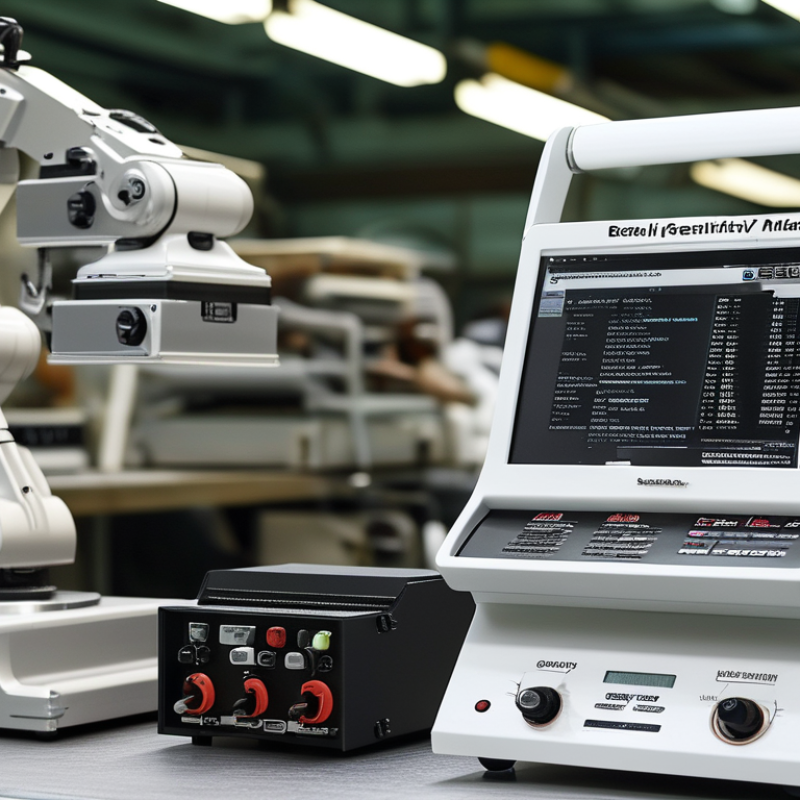
Understanding Quality Control in Beauty Equipment Manufacturing
Quality control is essential in beauty equipment manufacturing. It ensures safety and efficacy. According to industry reports, 78% of customers prioritize product quality. This statistic emphasizes that manufacturers must meet high standards. Quality control processes typically involve multiple stages. These stages often include initial design reviews, ongoing testing, and final inspections.
Testing equipment is critical. For instance, electronic devices undergo rigorous electrical safety assessments. As reported by industry experts, 15% of beauty devices fail initial safety tests. This highlights the importance of quality checks. Manufacturers must analyze failures to improve future designs. Inspections also focus on materials used. Substandard materials can lead to product failures.
Despite these measures, challenges persist. Variability in production can lead to inconsistencies. A recent survey found that 25% of manufacturers reported quality issues in batch production. This indicates a need for continuous improvement. Regular training sessions for staff can enhance understanding of quality standards. Each step in the manufacturing process must be scrutinized. Reducing defects ultimately benefits consumers. Quality control is a continuous journey, not a final destination.
Quality Control in Beauty Equipment Manufacturing
| Quality Control Dimension | Description | Standard Metrics | Frequency of Inspection |
|---|---|---|---|
| Raw Material Inspection | Ensuring materials meet specific standards before manufacturing | Visual and tactile examination, chemical testing | Per delivery |
| In-Process Quality Control | Monitoring the production process to ensure compliance | Dimensional checks, component integrity tests | Every hour |
| Final Product Testing | Testing the final product for functionality and safety | Performance benchmarks, safety standards | Per batch |
| Customer Feedback Analysis | Collecting user feedback to identify quality issues | Customer satisfaction ratings, return rates | Monthly |
| Compliance Audits | Assessing adherence to industry regulations and standards | Audit checklists, regulatory compliance scores | Quarterly |
FAQS
: Key challenges include variability in raw materials, evolving regulations, and maintaining consistent performance during production.
Inconsistent quality can lead to defects. Minor deviations might impact functionality and safety of the products.
Ongoing training ensures staff stay informed about changing regulations. Without it, quality lapses can occur.
Rigorous testing procedures help manage production variability. Neglecting this can lead to unsatisfactory products.
Automation and real-time monitoring are enhancing efficiency. AI tools analyze data to identify issues quickly.
Safety and efficacy are top priorities for consumers, driving manufacturers to adopt stricter quality standards.
It increases awareness of quality standards, enabling staff to spot potential issues early on.
Balancing increased speed with maintaining high product quality is a significant challenge.
Analyzing reviews helps identify quality issues early, preventing potential escalations.
Yes, some manufacturers fail to allocate time and resources for rigorous testing, compromising product quality.
Conclusion
Quality control in beauty equipment manufacturing plays a crucial role in ensuring that products meet industry standards and consumer expectations. Understanding how does quality control work in beauty equipment manufacturing involves examining various key methods such as statistical process control, validation processes, and adherence to regulatory guidelines. These methods help manufacturers maintain consistency and reliability in their products.
Testing and inspection are integral to quality assurance, with rigorous checks conducted throughout the production process to identify defects and ensure performance. However, challenges remain in maintaining these quality control standards, including varying supplier capabilities and evolving consumer demands. Looking ahead, future trends may include the use of advanced technologies like AI and data analytics to enhance quality control processes, ultimately leading to improved manufacturing practices in the beauty industry.
