Innovation is reshaping how beauty professionals diagnose, treat, and serve their clients. The question is no longer simply, “What is new?” It is “how does innovation impact the beauty equipment industry?”
Jean-Paul Agon, former chairman and CEO of L’Oréal, once said, “Beauty is a permanent quest for innovation.” His experience reflects the industry’s constant movement. New equipment now combines skin imaging, radiofrequency, LED therapy, automation, and connected software. These tools can improve treatment precision and create more personalized client experiences. A camera can reveal uneven pigmentation under bright clinic lights. A smart device can record energy levels, treatment time, and customer responses. Small details matter.
However, innovation does not guarantee better results. Some devices look impressive but offer limited practical value. Others increase training demands, maintenance costs, or operational complexity. This is where professional judgment becomes essential. Manufacturers need credible testing, clear instructions, strong safety controls, and realistic performance claims. Beauty businesses must also consider user comfort, accessibility, energy consumption, and long-term reliability.
This topic deserves a careful review.
The following outline examines ten important ways innovation influences the beauty equipment industry. It explores product development, treatment personalization, automation, sustainability, data use, professional training, and customer trust. It also considers a less comfortable truth: rapid innovation can encourage businesses to replace equipment before replacement is necessary. Progress should be measurable, not merely fashionable. The strongest technologies solve real problems, support qualified professionals, and improve experiences without creating unrealistic expectations.
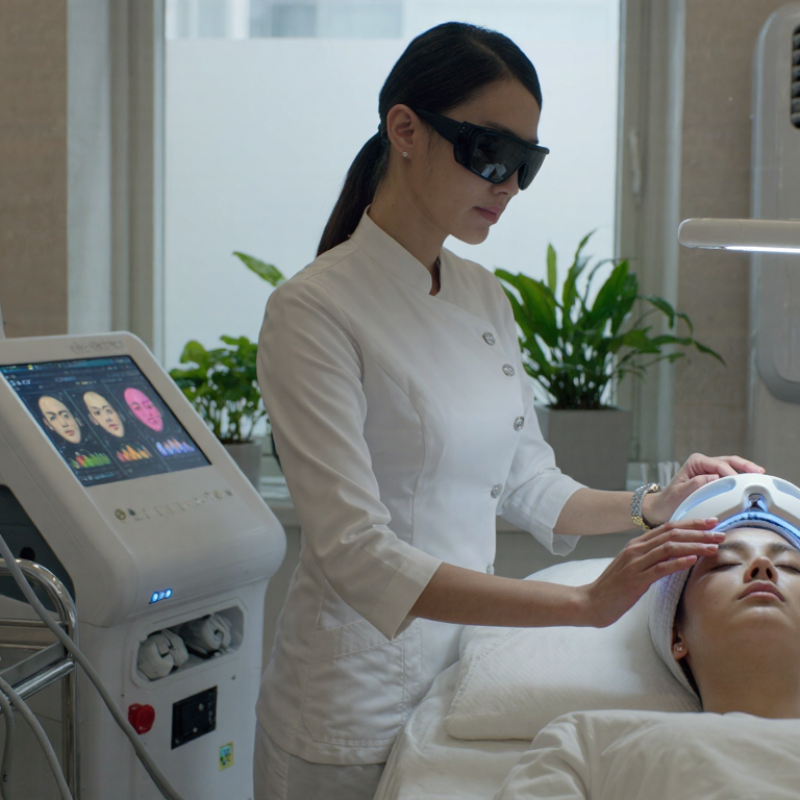
Innovation in beauty equipment means more than adding a touchscreen or a polished housing. It is the practical improvement of how a device performs, feels, and fits into a treatment routine. A salon tool may use gentler temperature control, clearer settings, or a handle that reduces wrist strain during repeated use. Small changes matter. They can affect comfort, consistency, and the time needed to prepare or clean equipment.
The scope includes product design, materials, controls, maintenance, and the way professionals use devices in real settings. For example, a readable display under bright room lights can help an operator check settings without interrupting a session. A removable contact surface may make routine cleaning easier, while durable components can reduce avoidable downtime.
Innovation also includes testing: teams should assess usability, performance, and foreseeable risks before making broad claims. Evidence matters. A feature that sounds advanced may not improve results for every user or skin type. That gap deserves attention.
In practice, useful innovation is often incremental, and manufacturers can overlook awkward workflows when testing only in controlled conditions. Feedback from trained users helps reveal those weaknesses and guides more responsible design.
Smart Technologies Transforming Beauty Device Design
Beauty equipment is moving from simple switches toward responsive systems. Sensors can track contact pressure, skin temperature, or treatment duration, then adjust a device’s output within defined limits. In a facial cleansing tool, for example, a pressure sensor may reduce vibration when the user presses too firmly. Small adjustments can make home routines feel more consistent. They do not replace professional judgment.
Connected features can also help users understand how they use a device. A screen might show session time, battery level, or a reminder to clean a treatment head. Some devices pair with apps that record settings over time. Useful, but not magic. Data is only helpful when it is accurate, understandable, and handled with care. Too many alerts can turn a simple routine into another chore.
Designers still face trade-offs. More sensors and software can increase cost, complicate repairs, and create new points of failure. A device that works beautifully in a demonstration may feel awkward in a wet bathroom, or require charging at the wrong moment. That matters. Good design should make smart features easy to control, with clear instructions and sensible defaults. And the technology will sometimes misread a situation; users need a straightforward way to pause or adjust it.
Smart technologies are reshaping beauty device design—from connected features and personalized treatments to app-enabled services. Global internet use provides important context for this shift toward connected experiences.
Worldwide internet users, in billions. These figures describe global connectivity, not beauty-device sales or adoption. Source: International Telecommunication Union (ITU), Facts and Figures 2023.
Personalization is changing how beauty equipment supports treatment planning. A skin imaging device may record visible redness, uneven tone, or moisture levels before a session. Practitioners can compare those readings with a client’s stated goals and adjust settings more carefully. Small changes matter. A lower energy level or shorter pass may suit sensitive areas better than a standard routine.
Data helps, but it is not a diagnosis. Lighting, recent skincare, and even a warm room can affect readings. I have seen how a neatly presented score can feel more certain than it really is. That deserves caution. Reliable teams explain what a device measures, check results against direct observation, and note changes over time. A simple record of settings, comfort, and skin response can make follow-up visits more useful. Keep it clear.
Personalized systems can also reduce guesswork between appointments. For example, a practitioner might notice that a client reports tightness after longer sessions and adjust the next treatment plan. Yet collecting more information is not automatically better. Clients should know what is recorded, why it is needed, and who can access it. Data should support a thoughtful conversation, not replace one. Skin varies from day to day. A useful recommendation leaves room for that uncertainty.
Sustainable Materials and Energy-Efficient Equipment
Innovation in beauty equipment is not only about adding features. The materials and energy a device uses also shape its environmental footprint. Manufacturers can select durable, recyclable metals and carefully assessed plastics to reduce waste. A sturdy treatment-unit housing may last through years of daily cleaning and handling. That matters. Replacing equipment less often can also reduce the resources used in production and shipping.
Tips: Check whether equipment parts can be repaired or replaced separately. Look for clear guidance on energy use, cleaning, and end-of-life disposal. In a salon, switching off idle devices and scheduling treatments efficiently can help reduce unnecessary electricity use. Small habits count.
Energy-efficient motors, heating elements, and standby settings can lower power consumption without compromising consistent operation. Still, “efficient” should be supported by measurable information, not just product descriptions. Ask suppliers for technical specifications and maintenance instructions, then compare equipment under similar working conditions. A device that uses less energy but needs frequent replacement may not be the better choice. I have seen sustainability claims sound convincing while leaving basic questions unanswered. That is worth questioning. Check how the equipment performs during a full workday, and consider the local options for recycling its components.
| Innovation | Beauty Equipment Application | Relevant Sustainability Dimension | Practical Impact or Indicator |
|---|---|---|---|
| Recycled polymers | Housings, handles, and non-critical interior parts of salon devices | Material circularity | Recycled-content percentage by component; material selection must still meet durability, hygiene, and electrical-safety requirements. |
| Recyclable, mono-material parts | Removable covers, casings, and accessories designed with fewer inseparable material combinations | End-of-life recovery | Number of components that can be separated and identified for recycling; local recycling access affects actual recovery. |
| Replaceable batteries and wear parts | Cordless trimmers, cleansing devices, and other rechargeable tools | Product lifespan and repairability | Availability of replacement batteries, motors, and seals can reduce premature replacement of the entire device. |
| High-efficiency LED lighting | Magnifying lamps, treatment lights, and illuminated mirrors | Electricity use and lamp replacement | Power draw in watts and rated lamp life; LED lighting generally uses less electricity and lasts longer than incandescent lighting for comparable lighting tasks. |
| Efficient motors and variable-speed control | Hair dryers, styling tools, facial devices, and salon equipment | Operating energy and performance control | Energy consumed per operating hour and performance at each setting; demand-based control can avoid running equipment harder than needed. |
| Automatic shutoff and low-power standby | Heated styling tools, lamps, and treatment devices | Unoccupied and standby electricity use | Standby power in watts and shutoff time; automatic shutoff can limit unnecessary operation when equipment is left unattended. |
| Improved insulation and heat management | Steamers, heated tools, towel warmers, and thermal treatment equipment | Heat loss and user safety | Warm-up time, surface temperature, and energy use per treatment; insulation and temperature regulation help manage heat loss and reduce overheating risk. |
| Water-efficient delivery systems | Salon wash stations, steam equipment, and water-based treatment devices | Water consumption | Litres per service or operating cycle; flow controls and leak prevention make water use easier to monitor and manage. |
| Modular design and accessible servicing | Professional devices with replaceable modules, fasteners, and serviceable assemblies | Repair, maintenance, and waste prevention | Repair time, parts availability, and proportion of faults resolved by replacing a component rather than the whole device. |
| Energy and resource monitoring | Connected treatment equipment and salon energy-management systems | Operational efficiency and maintenance | Kilowatt-hours, operating hours, and fault alerts; usage data can help identify idle equipment and maintenance needs. |
Note: Actual environmental benefits depend on product design, usage patterns, durability, maintenance, and local recycling or energy conditions.
Innovation in beauty equipment is not only about brighter screens or faster treatments. It also changes how safety must be assessed. A new energy setting can affect heat, skin sensitivity, and treatment consistency. Small design choices matter. Clear controls, stable handpieces, and automatic shutoffs can reduce avoidable user error.
Regulations differ across markets and may change as technologies develop. Manufacturers and operators need reliable testing, accurate records, and instructions that match real use. Training should cover practical details, such as checking a device before use and responding to unexpected warmth or discomfort. No manual can replace sound judgment. Even so, instructions are sometimes vague, and that deserves closer attention.
Future beauty technology will likely collect more operating data and offer more personalized settings. That may help professionals track performance, but data alone does not prove a treatment is safe or effective. Independent evaluation and transparent communication remain important. Claims should reflect the evidence, not the appeal of novelty. A device can look impressive in a demonstration and still behave differently in a busy treatment room. That gap is worth examining.
Sensors can track pressure, temperature, or treatment time. A cleansing tool may reduce vibration when pressed too firmly. They help with consistency, but do not replace professional judgment.
A screen may show session time, battery level, or cleaning reminders. An app might record settings. Too many alerts, though, can make a simple routine feel like another chore.
Check that controls are clear and easy to adjust. More sensors and software can raise costs or complicate repairs. A device may also misread a situation, so look for a simple pause option.
Durable, repairable parts can help equipment last longer. Switching off idle devices also saves energy. Small habits count.
Request measurable specifications and maintenance instructions. Compare devices under similar working conditions. A lower-power model may still be a poor choice if it needs frequent replacement.
Clear controls, stable handpieces, and automatic shutoffs can reduce avoidable errors. Users should check equipment before use and respond to unexpected warmth or discomfort.
Requirements differ across markets and may change over time. Reliable testing, accurate records, and practical instructions support safer use. Vague guidance deserves closer attention.
No. Data can help professionals track performance, but it does not establish safety or effectiveness. Independent evaluation and evidence-based claims remain important.
Innovation is reshaping the beauty equipment industry by changing how devices are designed, personalized, manufactured, and used. Smart technologies such as sensors, connected features, and automated controls can make equipment more precise and convenient, while data-informed treatments help professionals tailor settings to individual needs. These developments show how does innovation impact the beauty equipment industry: it can improve treatment consistency, support better user experiences, and create more adaptable equipment for salons and personal care routines.
Progress also brings greater attention to sustainability and safety. Durable materials, energy-efficient designs, and thoughtful manufacturing can help reduce resource use, while clear operating guidance and responsible product testing support reliable use. As beauty technology evolves, balancing performance with privacy, user comfort, and appropriate safety standards will be essential. Together, these advances point toward equipment that is smarter, more personalized, and more considerate of both people and the environment.
