The 2026 beauty equipment market is becoming more demanding, informed, and competitive. Clinics and salons no longer choose devices by appearance alone. They examine performance data, operator training, maintenance support, and customer outcomes. A polished brochure may attract attention, but reliable evidence builds lasting confidence. This raises a practical question: what makes a successful beauty equipment brand in a rapidly changing industry?
Strong brands connect engineering with everyday professional experience. Their devices should offer clear operating instructions, stable performance, and safety features suited to trained users. Independent testing, transparent specifications, and appropriate certifications also matter. So does after-sales service. A clinic cannot afford repeated downtime when clients are waiting for scheduled treatments. Responsive technical support, accessible replacement parts, and detailed training can protect both revenue and reputation.
Real experience matters.
This overview will examine the qualities separating trusted manufacturers from short-lived trend followers. It will consider research investment, product usability, quality control, education, ethical marketing, and international service networks. It will also question common assumptions. High prices do not always indicate superior technology. More features can create confusion, not value. Even respected brands may struggle with inconsistent support across regions. That weakness deserves attention.
The leading companies in 2026 will likely be those that combine innovation with restraint. They will explain realistic results instead of promising perfection. They will listen to practitioners, document product performance, and improve designs through feedback. Success is not only about selling equipment. It is about earning confidence through measurable quality, responsible communication, and dependable professional partnerships.
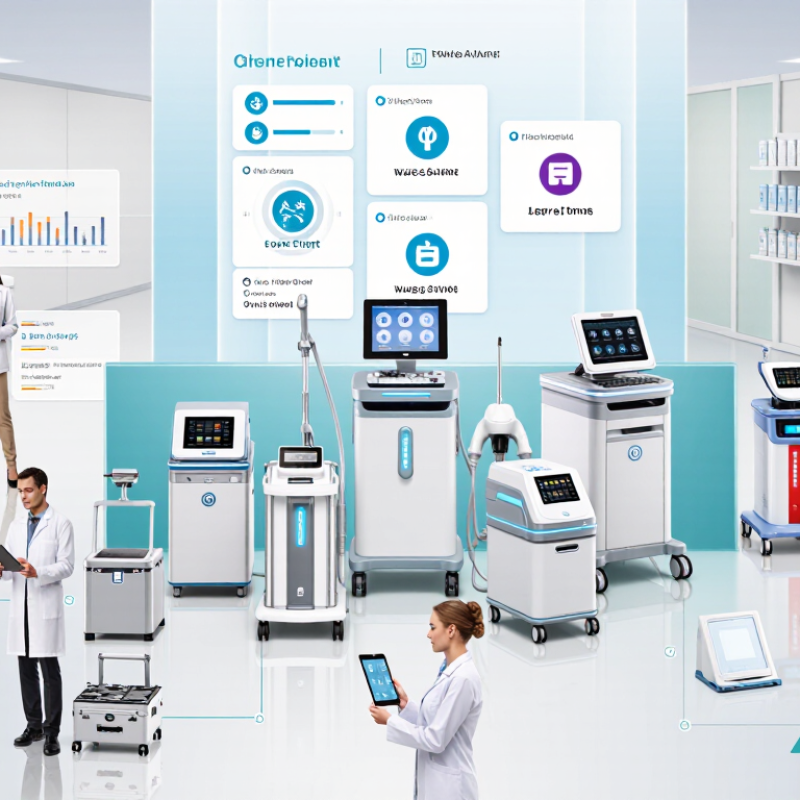
Defining the 2026 Beauty Equipment Market and Its Leading Brands
The 2026 beauty equipment market is moving beyond attractive design and rapid sales.
Grand View Research estimates the global beauty devices market could grow at an 8.1% CAGR from 2024 to 2030. However, market definitions differ widely. Some reports include home-use tools, while others focus on professional clinic equipment.
Trust now depends on measurable performance.
Leading manufacturers increasingly provide clinical evidence, safety testing, operator training, and traceable maintenance records. Practitioners examine treatment time, energy consistency, skin-contact temperature, and downtime before purchasing. Small details matter. A clear calibration label can build more confidence than polished advertising. Fortune Business Insights projects strong growth for aesthetic devices through 2032, supported by demand for non-invasive treatments and personalized care. Yet projections are not promises.
The strongest companies also understand workflow.
Equipment must fit treatment rooms, staff skills, appointment schedules, and local compliance requirements. Remote diagnostics, replaceable parts, and responsive technical support can protect revenue when a device fails. Artificial intelligence may improve treatment planning, but poor data can produce poor recommendations. That risk is often underestimated. Reports from McKinsey indicate continued expansion in beauty spending, especially around personalization and wellness, but adoption still depends on consumer trust. In 2026, successful equipment brands will likely combine evidence, usability, durable service systems, and honest communication about limitations. Market growth alone is not enough.
Key Technologies Shaping Modern Beauty Equipment
2026 Top Beauty Equipment Brands: What Makes Them Successful?
Key Technologies Shaping Modern Beauty Equipment
In 2026, successful beauty equipment is defined less by polished casing and more by measurable performance. Practitioners now examine energy control, treatment consistency, maintenance records, and published safety data. Radiofrequency, focused ultrasound, and light-based systems remain important, but their value depends on calibrated delivery. A warm handpiece should feel controlled, not unpredictable. That detail matters.
Artificial intelligence is improving skin imaging by mapping tone, texture, redness, and pore visibility. It can help practitioners compare images over time and adjust treatment plans with greater discipline. However, an algorithm is not a diagnosis. Human assessment remains essential, especially across different skin tones and changing environmental conditions. Cloud-connected platforms also simplify records, software updates, and equipment monitoring. They introduce privacy questions that clinics cannot treat as an afterthought.
Modern devices increasingly combine cooling, contact sensors, pulse controls, and automatic energy limits. These features can reduce discomfort and operator error when used correctly. In daily practice, training still separates impressive technology from reliable care. Clinics may own advanced systems yet underperform when staff rush setup or ignore calibration checks. That weakness deserves attention. Independent testing, clear instructions, and documented results should influence purchasing decisions more than impressive demonstrations. The industry still needs longer, transparent studies, because short-term photographs can hide uneven outcomes.
How Top Brands Build Product Quality and Customer Trust
2026 Top Beauty Equipment Brands: What Makes Them Successful?
Leading beauty equipment companies win trust through repeatable quality, not impressive promises. McKinsey’s 2023 beauty report projected the global beauty market could approach $580 billion by 2027. That growth increases pressure on manufacturers to prove performance, safety, and durability. Reliable equipment should show calibration records, material specifications, maintenance schedules, and clear operating limits. In professional clinics, technicians notice small details. Stable handpieces, readable screens, and consistent energy delivery reduce daily frustration. No device is flawless. Honest documentation makes that weakness easier to manage.
Customer trust also depends on evidence after purchase. The International Organization for Standardization reports that ISO 9001 supports consistent quality-management processes across industries. For equipment makers, this means controlled production, traceable complaints, and corrective actions. Where applicable, ISO 13485 systems can strengthen medical-device quality controls. Independent testing adds credibility, but vague laboratory claims remain unhelpful. A serious supplier explains what was tested, under which conditions, and what the results cannot prove. McKinsey’s 2024 consumer research also emphasized growing demand for science-backed beauty claims, making transparency commercially important.
Tips: Ask for service-response times, training records, warranty exclusions, and test summaries. Request a live demonstration with realistic settings. Speak with working technicians, not only sales representatives. Keep usage logs and photograph wear over time. A beautiful launch brochure cannot replace field evidence. Reflect on your own bias, too; familiar technology may feel safer without being better.
Business Strategies Behind the Success of Beauty Equipment Brands
Successful beauty equipment companies build systems, not only attractive devices. Their strategy starts with a specific customer problem, such as uneven treatment timing or difficult cleaning routines. Product teams test prototypes with licensed professionals in real treatment rooms. They record setup time, handpiece temperature, noise, and maintenance errors. Small details influence repeat purchases. A polished brochure cannot fix unreliable performance. This practical feedback creates evidence for product decisions and credible training materials.
Strong brands also manage trust as a business asset. They publish clear specifications, operating limits, service terms, and verification records. Independent safety testing supports responsible market entry. Local partners receive structured training instead of vague sales scripts. They learn calibration checks, hygiene procedures, and safe responses to common faults. Support teams track tickets by device and issue. That data reveals weak components and confusing instructions. Fast answers matter. So does honest documentation.
Growth usually comes from disciplined distribution. Companies choose clinics that match their equipment, rather than chasing every order. Demonstration sessions show treatment workflow, consumable use, and realistic operating costs. Financing can help, but unclear contracts damage trust quickly. Some businesses overinvest in advertising and underfund after-sales service. I have seen that imbalance delay repairs and weaken referrals. A better approach reserves budget for spare parts, technician training, and periodic product reviews. Even then, no strategy is perfect. Customer feedback may expose assumptions the team missed.
2026 Top Beauty Equipment Brands: What Makes Them Successful?
The expanding medical aesthetics market creates opportunities for beauty equipment companies that combine clinically supported technology, product reliability, professional training, after-sales service, and recurring consumables.
Market context: Global medical aesthetics market estimates and forecast based on publicly reported industry research, with projected values calculated from the published CAGR.
Standards for Evaluating Beauty Equipment Brands in 2026
Standards for Evaluating Beauty Equipment Brands in 2026
The beauty equipment market needs stricter evaluation than attractive design and fast demonstrations. McKinsey estimated the global beauty market could reach about $590 billion by 2028. That growth increases the need for reliable equipment, not louder marketing claims. A strong evaluation begins with intended use, measurable outcomes, and documented safety testing. It should also check whether the device fits real treatment rooms, staffing levels, and client needs.
Evidence matters most.
Reviewers should request clinical studies, test methods, sample sizes, and follow-up periods. Laboratory results alone may not predict performance on different skin tones or body types. Equipment linked to medical procedures should show appropriate regulatory clearance and quality systems, including ISO 13485 where applicable. IEC 60601 safety requirements may also matter for electrically powered devices. These standards do not guarantee excellent results, but they create a useful baseline.
Service quality is another practical measure. Grand View Research projected strong double-digit growth for the global medical aesthetics market through 2030, increasing pressure on clinics to control downtime and training costs. Ask about calibration, software updates, spare parts, warranties, and technician response times. Cybersecurity deserves attention when equipment stores client records or connects to networks. A polished demo can still hide weaknesses. No scorecard is perfect, and evaluators should record uncertainty instead of forcing every brand into a flattering ranking.
FAQS
Look for calibration records, material specifications, maintenance schedules, and clear operating limits. Readable screens and stable handpieces matter during busy treatment days. Marketing language alone proves little.
Safety testing shows how a device performed under defined conditions. Ask for test methods, sample sizes, and follow-up periods. Results may not predict every client’s experience.
No. Standards create a useful quality and safety baseline. They do not guarantee perfect outcomes, comfort, or durability. No device is flawless.
Request a live demonstration using realistic settings and treatment-room conditions. Check screen visibility, handpiece balance, energy consistency, and cleaning requirements. A short demonstration can still hide long-term problems.
Ask about response times, technician training, spare parts, software updates, and warranty exclusions. Confirm who handles calibration and how often it occurs. Downtime becomes expensive quickly.
Keep usage logs with dates, settings, operator names, and service notes. Photograph wear on cables, handles, screens, and connectors. Small changes may reveal larger maintenance needs.
Laboratory results may not reflect every client group or treatment condition. Request evidence covering relevant skin tones, body types, and follow-up periods. More evidence still does not remove all uncertainty.
Yes, especially when equipment stores client records or connects to networks. Ask how access, updates, backups, and data protection are managed. Technical convenience can create overlooked risks.
Compare measurable evidence instead of relying on brand familiarity or attractive design. Use the same scorecard for performance, safety, service, and operating costs. Our judgment can still be wrong.
Conclusion
The 2026 beauty equipment market is defined by rapid innovation, higher consumer expectations, and growing demand for safe, efficient, and personalized treatments. Leading companies distinguish themselves through technologies such as intelligent controls, energy-efficient systems, noninvasive treatment solutions, data-supported personalization, and user-friendly digital interfaces. However, innovation alone is not enough. Product reliability, consistent performance, ergonomic design, transparent testing, clear instructions, and responsive customer support are essential to building long-term trust among professionals and consumers.
Understanding what makes a successful beauty equipment brand also requires examining its business strategy. Strong companies invest in research and development, quality control, staff training, after-sales service, and adaptable product portfolios. In 2026, beauty equipment brands should be evaluated through measurable standards, including safety, performance, durability, compliance, ease of maintenance, customer satisfaction, and overall value. Those that combine responsible innovation with dependable service and clear communication are best positioned to achieve sustainable success in a competitive global market.
