Premium Aesthetic Equipment Selection
Explore our leading clinical-grade facial treatment systems and medical-use innovations engineering exceptional skin rejuvenation and anti-aging outcomes.
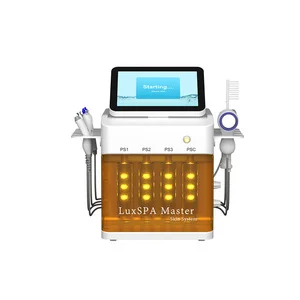
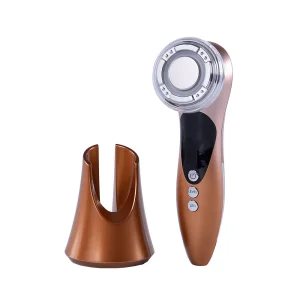
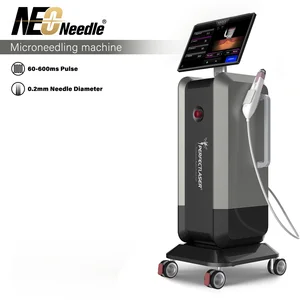
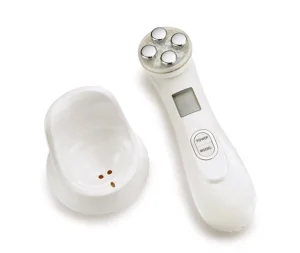
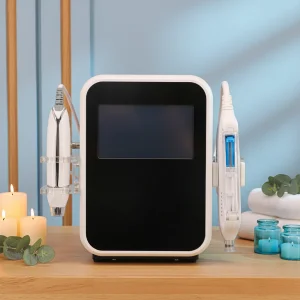
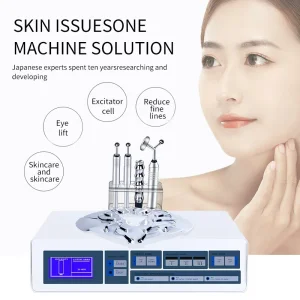
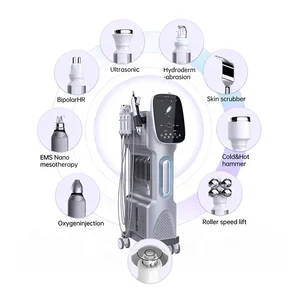
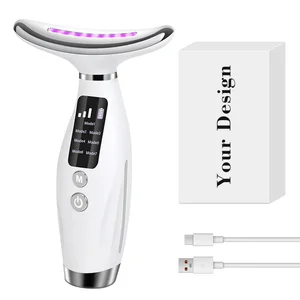
The Evolving Landscape of the Global Personal Care Device Industry
The global personal care and aesthetic device industry is experiencing a profound technological paradigm shift. Driven by breakthroughs in micro-electronics, non-invasive rejuvenation modalities, and consumer demand for professional clinical outcomes at home, the boundary between clinical dermatology and daily skincare has dissolved. Global procurement teams are no longer simply searching for low-cost manufacturing; they require highly compliant, innovative, and reliable supply chain partners capable of rapid product iterations.
As leading suppliers and exporters, Chinese manufacturers have transitioned from basic assembly facilities to high-tech, R&D-driven centers of excellence. Integration of smart technologies such as radio frequency (RF), intense pulsed light (IPL), electroporation, and microcurrent therapy is now standard. Modern factories employ precision engineering to produce medical-grade beauty instruments, adhering strictly to global electrical and medical safety certifications.
"The convergence of artificial intelligence, IoT, and advanced phototherapy is redefining personal care. Today’s buyers expect clinical-grade efficacy, ergonomic design, and full regulatory compliance in every unit shipped."
This dynamic transformation is fueled by a rising middle class globally, expanding awareness of preventative anti-aging treatments, and the structural growth of specialized distribution channels, wellness centers, and e-commerce platforms specializing in skin health.
2011
Established Year
15,000㎡
Modern Manufacturing Base
300+
Skilled Professionals
60+
Global Export Markets
Advanced Technological Frontiers in Skincare Devices
Understanding user intent and search quality rating guidelines requires identifying what makes a modern beauty device effective and safe. Buyers look for scientific validation, robust build quality, and safety mechanisms. Here is an overview of the key technological domains defining the present and future of personal care hardware:
Multi-Polar Radio Frequency
By delivering controlled thermal energy into the deep dermal layers, RF devices stimulate immediate collagen contraction and long-term neocollagenesis. Dynamic thermal sensing controls prevent epidermal overheating while maximizing tissue tightening.
Microcurrent & EMS
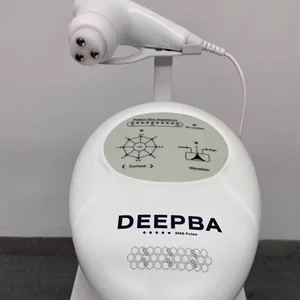
Electrical Muscle Stimulation (EMS) and microcurrent technologies mirror the body’s natural bio-electrical currents. They boost ATP production, lift facial contours, and enhance transdermal absorption of active ingredients by temporarily opening cell membrane channels.
Hydradermabrasion & Hydro-Peel
Combining mechanical vacuum suction with specialized fluid micro-delivery, these systems deeply cleanse pores, extract sebum, and infuse condition-specific antioxidants. They provide non-abrasive chemical and physical exfoliation for all skin types.
Aesthetic Device Class Comparison
| Device Category | Core Mechanism | Primary Clinical Benefit | Target Operational Setting |
|---|---|---|---|
| Professional Hydro-facial Systems | Pneumatic fluid delivery & vacuum extraction | Deep exfoliation, pore cleansing, skin hydration | Medical Spas, Wellness Clinics |
| Radio Frequency Microneedling | Fractional RF heating via micro-needles | Deep wrinkle reduction, scar revision, collagen boosting | Aesthetic Medicine Center |
| Handheld EMS & Microcurrent Units | Low-voltage bio-electrical stimulation | Facial toning, lymphatic drainage, surface lifting | Home Use, Portable Retail Kit |
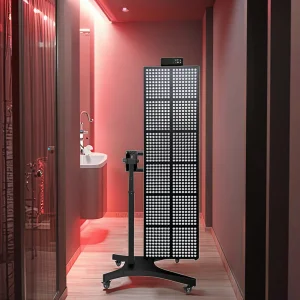
| Photodynamic Therapy Bed (Red Light) | 633nm / 830nm LED phototherapy | Systemic inflammation reduction, accelerated cellular repair | Professional Spas, Luxury Home-gyms |
Manufacturing Excellence: Hangzhou FMED Beauty Co., Ltd.
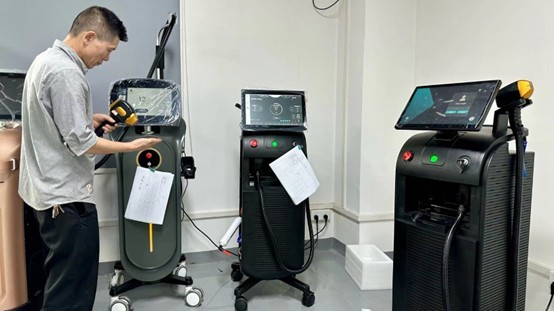
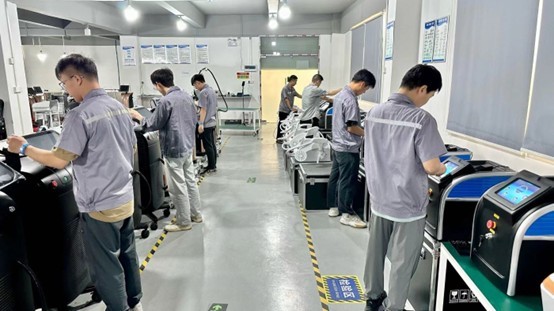
Founded in 2011, Hangzhou FMED Beauty Co., Ltd. is a professional manufacturer specializing in facial machines, beauty equipment, and aesthetic device solutions for the global beauty and personal care industry. Headquartered in the technological hub of Hangzhou, China, the company operates a modern manufacturing facility covering approximately 15,000 square meters and employs more than 300 professionals across research and development, engineering, production, quality management, and international sales departments.
FMED Beauty focuses on the design, development, and production of professional beauty equipment, facial treatment devices, skincare technology systems, aesthetic machines, salon equipment, spa solutions, and customized beauty technology products. The company serves beauty brands, distributors, aesthetic clinics, salons, wellness centers, and equipment importers in international markets.
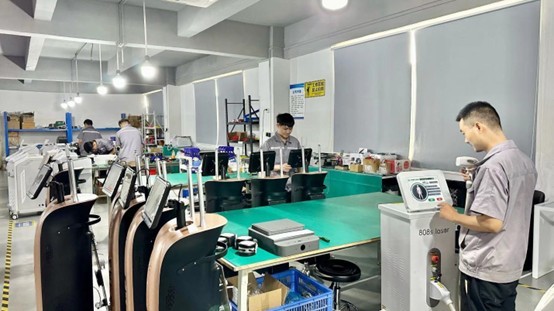
Supported by an experienced R&D team and advanced manufacturing capabilities, FMED Beauty integrates electronic engineering, industrial design, software development, and product testing into its production process. The company continuously invests in technological innovation to improve device performance, user experience, operational efficiency, and product reliability.
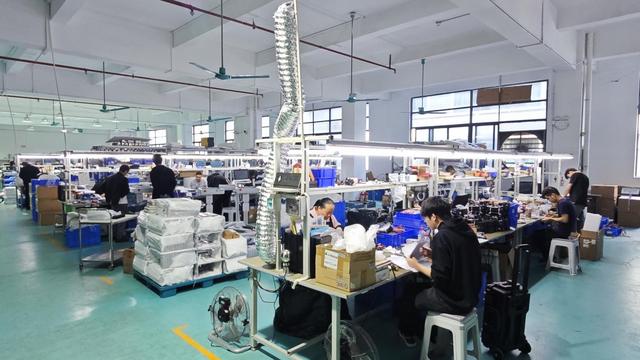
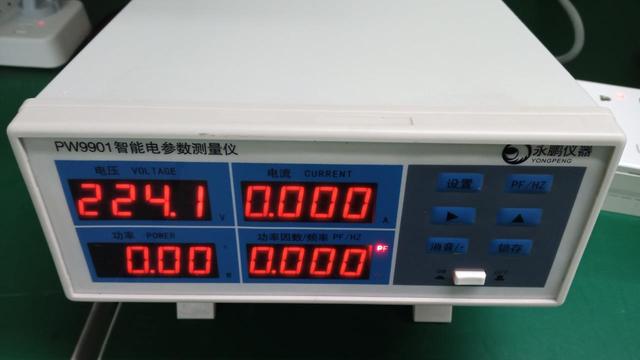
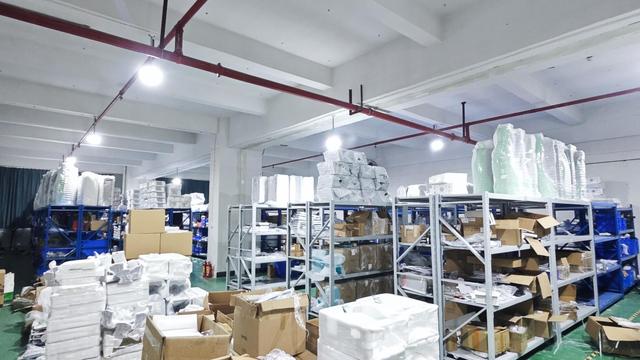
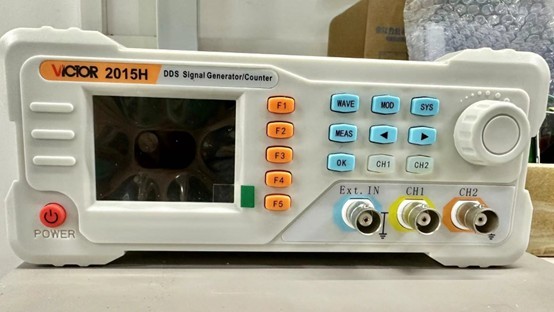
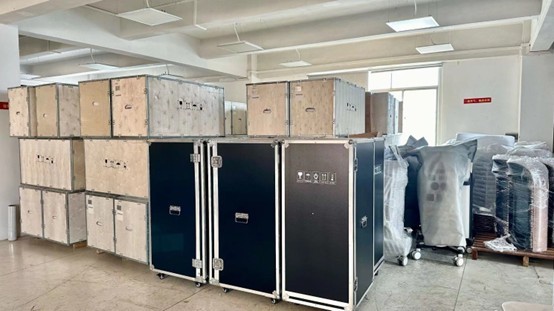
The factory is equipped with modern assembly lines, testing laboratories, quality inspection facilities, and standardized production management systems. Strict quality control procedures are implemented throughout component sourcing, assembly, calibration, testing, packaging, and final inspection to help ensure product consistency and manufacturing standards. FMED Beauty provides comprehensive OEM and ODM services, including product customization, industrial design support, branding solutions, packaging development, and private-label manufacturing. Flexible production capabilities allow the company to support both emerging brands and established international businesses.
China Factory 4.0: Resilient, High-Efficiency Manufacturing
Modern supply chains require more than just capacity; they demand resilience, compliance, and technological integration. The FMED facility in Hangzhou exemplifies China's Industry 4.0 transformation, combining mechanical precision with smart workflow systems. This infrastructure supports B2B buyers seeking stable production lead times, structural customization, and rapid response to shifting regional regulatory frameworks.
- Precision Mechanical & Electronic Assembly: Micro-soldering, optical alignment of lasers/LEDs, and high-tolerance plastic injection molding under ISO-controlled environments.
- Comprehensive Testing Protocols: Every device undergoes extensive safety testing, including High-Voltage Insulation, Electromagnetic Compatibility (EMC), Vibration, Drop Testing, and continuous burn-in/aging cycles.
- Agile Product Engineering: Seamless firmware modifications, customized PCB layouts, and localization of power configurations (EU, US, UK, AU standards).
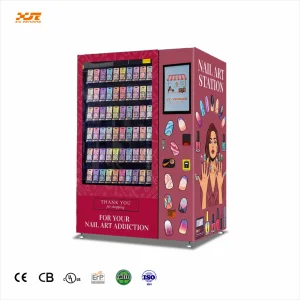
- Regulatory Compliance Framework: Manufacturing practices aligned with global standards like CE, UL, RoHS, and MDB payment system protocols for commercial vending units.

Expert Procurement FAQ: Standards, OEM/ODM & Customization
Key answers to regulatory, logistical, and technical questions from international distributors, clinic buyers, and B2B procurement partners.
Commercial, Home-Use & Specialized Devices
Explore our secondary catalog featuring smart retail solutions, home skincare devices, and specialized medical/industrial equipment manufactured to strict export standards.