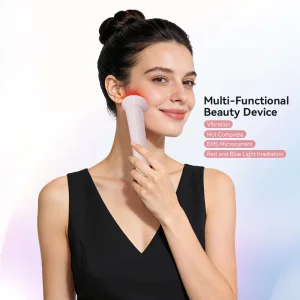
Signature Medical & Smart Aesthetic Systems
Engineered for high-efficacy treatments, professional salon clinics, and advanced skin care integration.
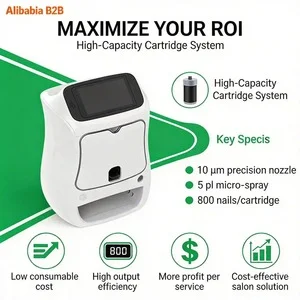
Automatic Smart 3D Art Nail Printer Portable DIY WiFi USB Bluetooth Printing Machine for Home Salon
View Specifications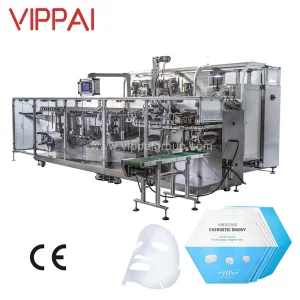
VIPPAI New Cosmetics Skin Care Medical Face Mask Making Machine Collagen Fully Automatic Mask Maker Equipment
View Specifications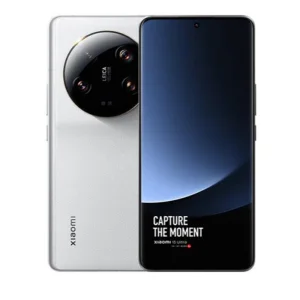
5G Global Smart Phone 12+256G 16GB 512GB 16GB 1TB Mobile Phone for xiaomi 13 ultra Cheap Mobile Phone
View Specifications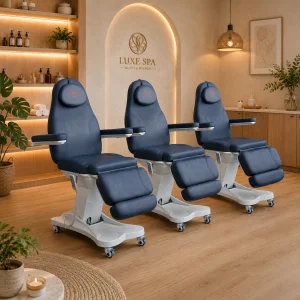
Advanced Spa Treatment Chair Multifunction Heated Cosmetic Table Salon Equipment Beautiful Beds Electric Facial Bed
View Specifications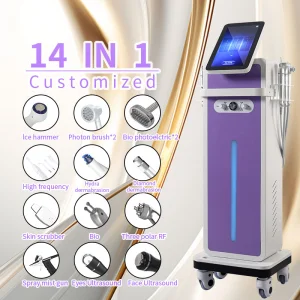
OEM / ODM 14 in 1 Professional Skin Rejuvenation Facial Cleansing Lifting Oxygen Facial Skin Care Beauty Equipment
View Specifications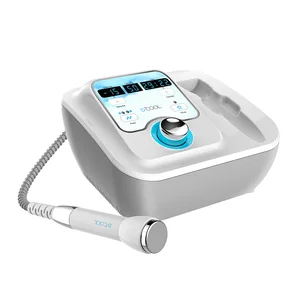
Newest Facial Machine Portable Cool Cooling Heating Cryo Facial Electroporation Mesotherapy Machine M Electrotherapy Machines
View Specifications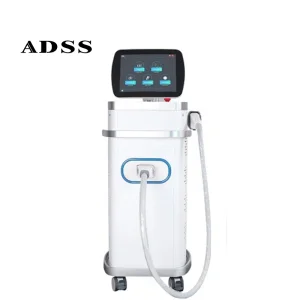
ADSS BBL Laser Beauty Equipment BBL HERO BroadBand Light Multifunctional Beauty Device for Acne Vascula Therapy Hair Removal
View Specifications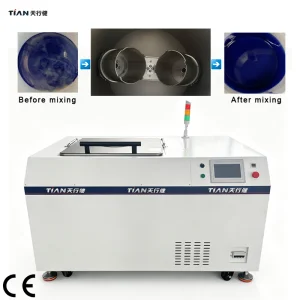
30 Liters Dual Power Adjustable Speed Vacuum Planetary Homogenizer Defoaming Mixer -100KPA For Low Temperature Ink
View SpecificationsLeading China's Medical & Aesthetic Manufacturing
Unifying modern engineering, strict clinical standards, and massive industrial capabilities under FMED Beauty.
1. Global Aesthetic Device Market & China Sourcing Dominance
Analyzing macroeconomics, quality management standards, and the value chain of wholesale procurement.
Commercial Market Insights
The global aesthetic device market is experiencing an unprecedented expansion, driven by a paradigm shift in consumer behavior toward non-invasive and minimally invasive facial treatments. Current industry valuations project the market size to exceed USD 95.4 Billion by 2030, growing at a compound annual growth rate (CAGR) of over 14.8%. This surge is largely propelled by breakthroughs in localized RF, high-efficiency electroporation, microcurrent, and localized low-level light therapies (LLLT).
For medical spas, distribution channels, and retail brand owners, direct sourcing from established manufacturing regions in China has become a critical standard. It provides the technological parity of high-end clinical setups combined with the scale and economic agility required to maintain viable operational margins.
The E-E-A-T Sourcing Standard
Partnering with an OEM/ODM provider is not merely a transaction; it is an integration of manufacturing compliance and regulatory security. Leading companies like Hangzhou FMED Beauty Co., Ltd. ensure that every step of the development cycle—from board-level schematic designs to enclosure ergonomics and clinical evaluation—is aligned with international requirements.
Compliance protocols including ISO 13485 (Medical Device Quality Management Systems), FDA registration matrices, CE-LVD/EMC certifications, and RoHS directives constitute the primary layer of defense for global brand operations. This regulatory alignment minimizes customs clearance issues, minimizes liability risk, and ensures robust product reliability for long-term customer satisfaction.
2. Manufacturing Profile: Hangzhou FMED Beauty Co., Ltd.
A deep dive into the corporate infrastructure, R&D labs, and quality assurance workflows.
Industrial Scale
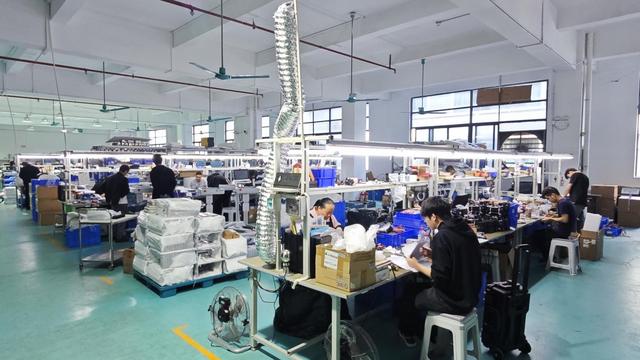
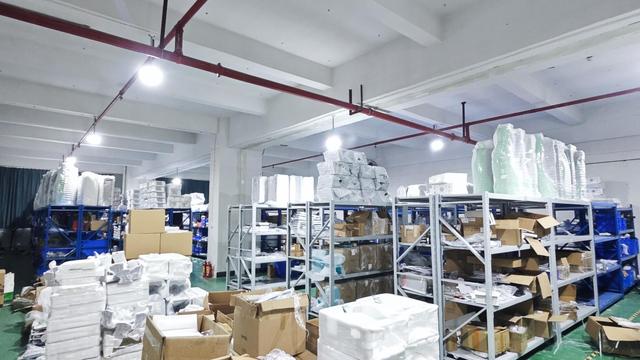
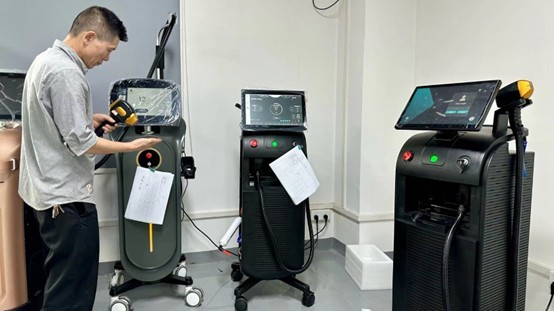
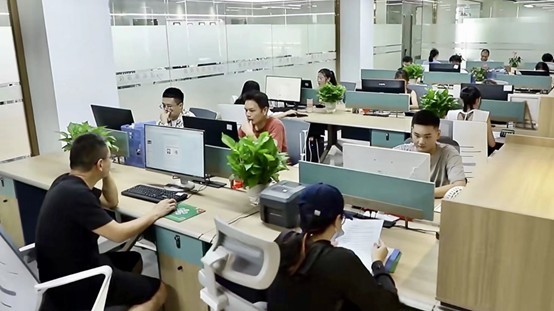
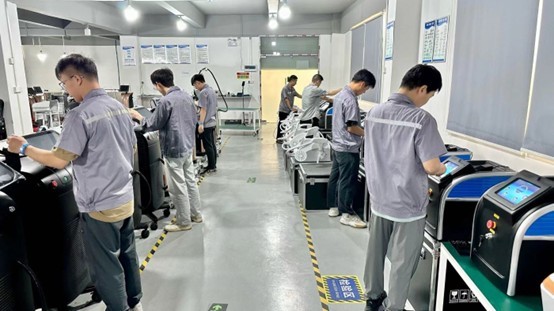
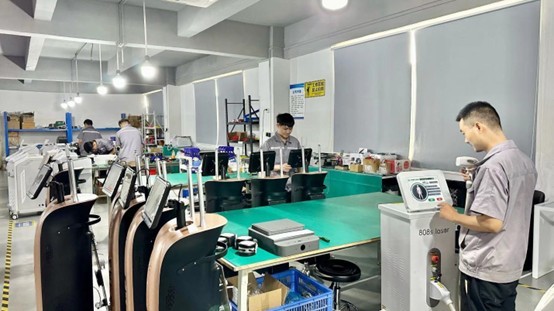
Founded in 2011, Hangzhou FMED Beauty Co., Ltd. has established itself as an industry leader in manufacturing facial machines, beauty equipment, and medical-grade aesthetic systems. Operating a modern facility of over 15,000 square meters in Hangzhou, China, the company provides a robust production infrastructure. With over 300 highly specialized staff, FMED handles R&D, structural engineering, precision assembly, and strict quality control inline.
Integrated Engineering
FMED Beauty's product engineering spans electronic engineering, custom PCB design, user interface/UX design, and structural injection molding. Because the company manages both hardware layouts and firmware in-house, it is capable of providing rapid prototyping and specialized adjustments. This level of vertical integration ensures that OEM and ODM projects achieve faster turnaround times while maintaining strict control over IP.
Quality Control Protocol
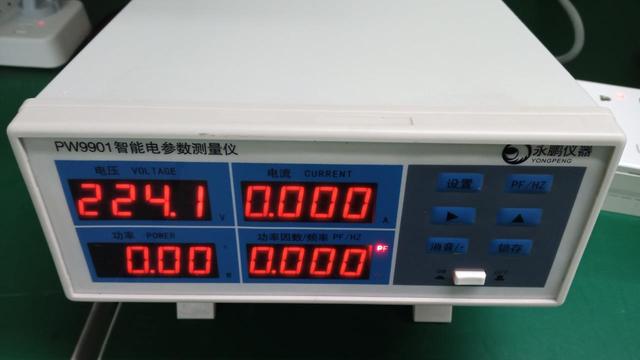
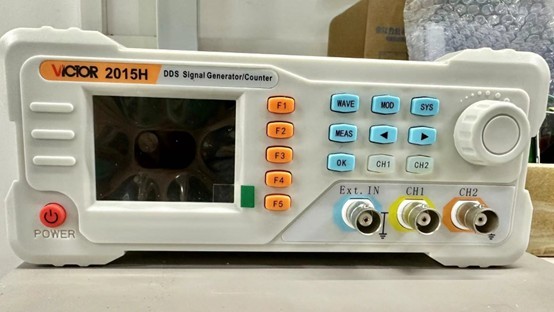
The facility utilizes modern assembly lines, dust-free ISO Class 8 testing zones, and advanced diagnostic lab setups. All outgoing shipments undergo multiple phases of testing: high-voltage breakdown analysis, continuous aging diagnostics, temperature stability checks, and performance output calibration. This rigorous protocol prevents malfunctions and supports product consistency in international markets.
3. Scientific Modalities & Facial Technology Roadmap
How modern engineering drives skin rejuvenation, tissue tightening, and active ingredient delivery.
RF & Thermal Rejuvenation
Radiofrequency (RF) remains a core standard for non-surgical tissue tightening. By delivering high-frequency alternating currents to the dermis, it generates localized thermal energy (40°C - 42°C). This heat denatures old collagen fibers, triggering immediate contraction and stimulating long-term neocollagenesis.
Electroporation (DEP)
Designated Electroporation (DEP) and cryo-electroporation utilize high-voltage micro-pulses to temporarily open cellular membranes. This allows high-molecular-weight active ingredients, such as hyaluronic acid and collagen peptides, to penetrate the dermal layer without invasive needles.
High-Energy Light (BBL/Laser)
BroadBand Light (BBL) and selective photothermolysis systems use specific wavelengths to target chromophores in the skin. This selectively breaks down melanin deposits and vascular lesions without damaging the surrounding tissue, delivering consistent results.
4. Global Application Scenarios & Localization
Meeting the strict demands of clinical environments and safety regulations worldwide.
Medical & Clinical Spas
Medical clinics and high-traffic salons require high-performance, multi-functional platforms. Systems like the 14-in-1 Professional Rejuvenation Platform allow practitioners to offer deep cleansing, vacuum extraction, mechanical micro-dermabrasion, oxygenation, and thermal lifting within a single footprint. This versatility maximizes room utilization and enhances the client experience.
Regulatory Compliance Standards
Global market penetration requires compliance with specific regional standards:
- North America (US/Canada): Requires FDA 510(k) clearances, UL standards, and FCC certifications for electromagnetic safety.
- European Union (EU): Requires CE markings under the Medical Device Regulation (MDR 2017/745) or low-voltage directive compliance.
- APAC & Middle East: Demands robust electrical engineering for voltage fluctuations, along with localized interface options.
5. Upstream Industrial Integration & Formulation Systems
Integrating formulation engineering with advanced device manufacturing for consistent results.
Advanced facial treatments rely on a combination of sophisticated hardware and specialized topical formulas. For instance, electro-mesotherapy and RF systems require conductive gels and high-purity serums to transmit energy effectively. FMED Beauty supports brands by offering integrated industrial solutions that bridge the gap between formulation chemistry and device engineering.
Vacuum Planetary Homogenizers
Stable skin care formulations start with high-shear emulsification. Systems like the 30-liter vacuum planetary homogenizer process active formulations under negative pressure (-100KPA). This prevents oxidation, eliminates microscopic air bubbles, and ensures a uniform particle size, which helps maintain the stability of conductive gels and serums.
Cosmetic Production & Automated Filling
Sterile production is critical for dermatological products. Automated filling, stoppering, and capping lines are designed to handle delicate formulations. By maintaining sterile, high-accuracy filling environments, manufacturers can supply clinics with high-quality consumables that complement their facial treatment devices.
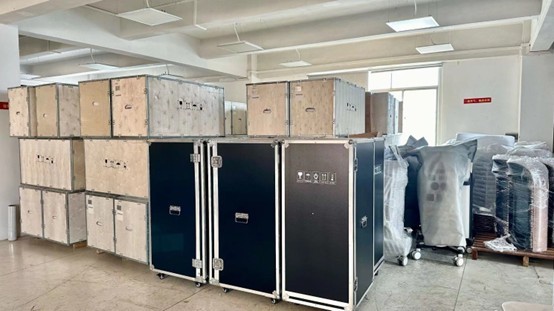
6. Manufacturing & Production Facility Showcases
Verified operations: From component sourcing to final assembly and clinical testing.
7. Technology Roadmap & Future Horizons
Advancing skin care through AI diagnostics, IoT connectivity, and sustainable materials.
AI Diagnostics
Future systems will increasingly incorporate artificial intelligence to guide treatments. Multi-spectral optical analysis can assess dermal health, hydration levels, and pigmentation in real time. The device then dynamically adjusts treatment intensity, pulse duration, and wavelength based on these readings, providing a highly personalized clinical approach.
IoT Integration
Smart, connected systems allow clinics and home users to track treatment histories, monitor cartridge lifespan, and update firmware over the air (OTA). Integrating treatment data with mobile apps helps clients track their skin health progress, boosting user engagement and clinical oversight.
Sustainable Materials
Eco-friendly manufacturing is becoming a standard in product design. Future lines prioritize recyclable medical plastics, energy-efficient power supplies, and minimal packaging designs, helping brands reduce their environmental footprint and align with global sustainability initiatives.
Frequently Asked Questions
Technical and procurement insights for global buyers and distributors.
What are the typical MOQs for OEM/ODM facial treatment devices?
Minimum Order Quantities (MOQs) depend on the customization level. Standard machines in stock typically require an MOQ of 10 to 50 units. For full ODM customization—including custom enclosure tooling, PCB layout adjustments, and tailored software branding—the MOQ typically ranges from 500 to 1,000 units to offset development costs.
How does FMED ensure compliance with FDA and CE regulations?
All devices undergo testing to meet IEC 60601-1 (medical electrical equipment safety) and IEC 60601-1-2 (electromagnetic compatibility). We collaborate with accredited testing labs (such as SGS, TUV, or Intertek) to provide comprehensive CE-LVD/EMC and RoHS documentation, facilitating the registration of products in international markets.
What lead times can buyers expect for custom orders?
For standard wholesale configurations, production lead times are typically 15 to 25 business days from payment confirmation. Custom ODM runs requiring tooling, injection molding adjustments, and localized packaging development generally take 45 to 60 business days.
Is clinical training and technical support provided for medical spa systems?
Yes. FMED Beauty offers detailed technical manuals, video training materials, and online engineer consultations for all professional equipment. We also provide replacement modules and a 1-year to 3-year warranty program to support ongoing clinical operations.
Can FMED design devices for home-use as well as professional clinical setups?
Yes, our engineering team designs products for both clinical use and compact, battery-powered home use. Home-use devices prioritize consumer safety, user-friendly operation, and compliance with household appliance safety standards.
Industrial Systems & Consumables Production Line
From raw material emulsification to finished product packaging, explore our comprehensive manufacturing equipment.
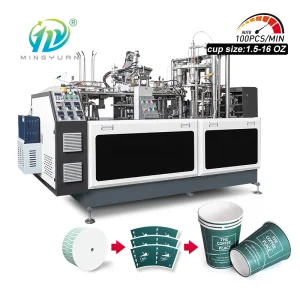
2024 Full Automatic Paper Cup Making Machine Price 1.5oz-16oz Disposable Paper Cup Machine Production Line Machine Paper Cup
View Specifications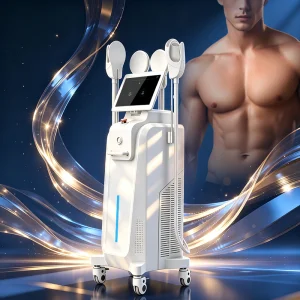
4 5 Handles Muscle Stimulator Muscle Building Fat Burning Weight Loss Body Sculpting Shaping Beauty Salon Equipment
View Specifications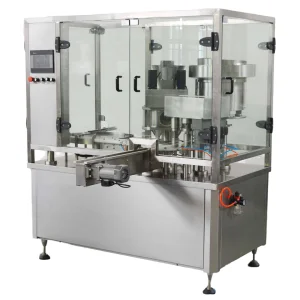
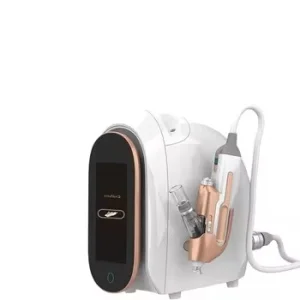
Hot Selling Non-invasive Light Injection Improve Dark Dry Rough Facial Skin Machine
View Specifications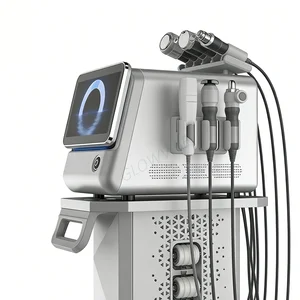
Beauty Professional Wrinkle Removal New Facial Solutions Salon AI Intelligent Skin Detector Small Bubbles Comprehensive Series
View Specifications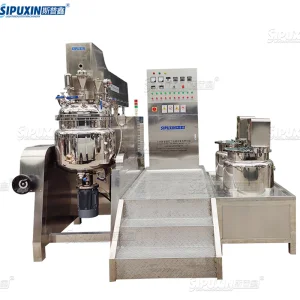
Cosmetic Cream Production Line Equipment with 100 L Vacuum Homogenizing Emulsifying Mixing Gear Featuring Core Motor Component
View Specifications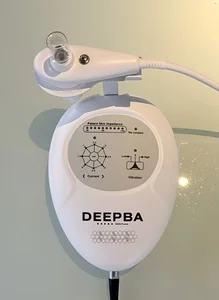
2026 Dep Ems Non-invasive Skin Treatment to Improve the Skin's Appearance Stimulate Collagen Production Tighten the Skin
View Specifications