Primary Diagnostic & Treatment Platforms for Timor-Leste Clinics
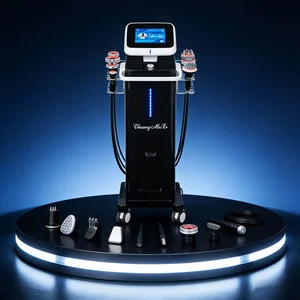
Engineered to withstand tropical operational environments while delivering precise dermatological analysis and reliable physiological outcomes.

Timor-Leste's Medical Aesthetic Evolution: Commercial Realities & Trends
An in-depth exploration of market growth, technology integration, and infrastructural challenges in developing regions.
1. Current Commercial Landscape & Industrial Realities in Timor-Leste
The Democratic Republic of Timor-Leste is writing a new chapter of economic development. While agriculture and natural resources historically anchor the national economy, urban centers—principally the capital city of Dili—are experiencing a significant transition. Rising household incomes, structural urban development, and an influx of international professionals, diplomatic missions, and non-governmental organizations have created a novel market sector: premium aesthetic medicine and wellness services.
Historically, aesthetic offerings in Timor-Leste were restricted to basic cosmetic applications and traditional wellness practices. Today, medical-grade diagnostics and advanced skin analysis systems are becoming vital infrastructure for newly established aesthetic clinics and dermatology centers. This transition is not without obstacles. Clinical entities in Dili operate under high ambient humidity and temperature fluctuations, requiring equipment constructed from highly durable, medically certified materials. Furthermore, frequent power grid instability demands robust electronic internal components (such as specialized Peltier cooling elements and high-voltage power regulators) to prevent premature failure. Sourcing directly from advanced Chinese factories offers local clinical managers customized configurations tailored specifically to mitigate these localized environmental and infrastructural challenges.
2. Global Procurement & Compliance Standards for Clinic Owners
For clinic owners and medical importers in Timor-Leste, purchasing aesthetic hardware is a capital-intensive decision. Ensuring high equipment uptime and absolute patient safety requires strict adherence to international regulatory frameworks. B2B buyers must prioritize manufacturers operating under ISO 13485 (Medical Devices Quality Management Systems) and carrying CE, FDA, or RoHS clearances.
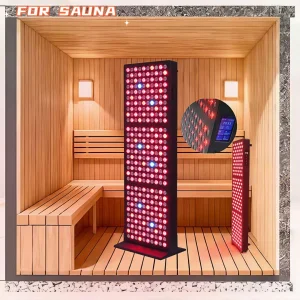
When procurement managers in Southeast Asia partner with factories certified under ISO 13485, they guarantee that every step of production—from raw polymer ABS injection molding of device chassis to the final integration of high-powered laser diodes—is fully documented, repeatable, and audited. This guarantees that imported devices, whether red light therapy panels or high-frequency electrotherapy platforms, maintain precise energy output calibration. This precision directly reduces the risk of skin burns, pigmentary complications, or system failures under continuous operation.
Advanced Manufacturing & Precision Industrial Components
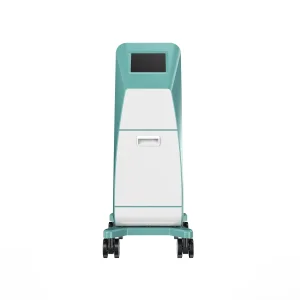
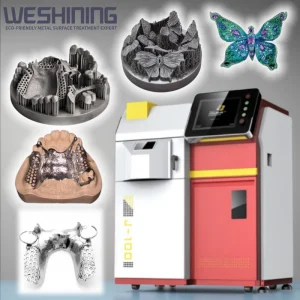
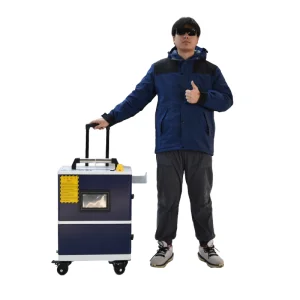
Supporting the manufacturing ecosystem of aesthetic devices with heavy-duty CNC molding, metal 3D printing, and laser engineering.
China Industry 4.0: Reinventing Supply Chain Resilience & Customization
How automation, precision molding, and intelligent material design provide massive cost-to-performance advantages for remote operators.
3. China's Intelligent Manufacturing Powerhouse: Efficiency & Reliability
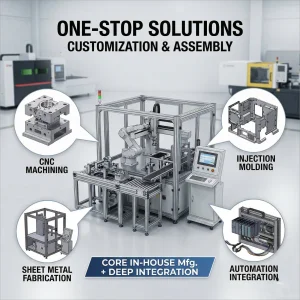
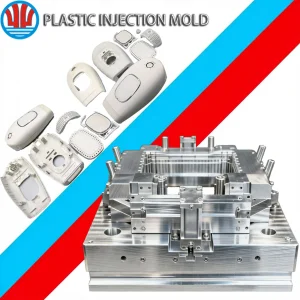
China’s medical aesthetic manufacturing ecosystem has experienced an immense shift, moving beyond basic manual assembly lines into highly sophisticated, automated Industry 4.0 centers. Hangzhou FMED Beauty Co., Ltd. is a prime example of this industrial advancement. The integration of advanced computer-aided engineering, high-precision German CNC plastic injection mold structures, and cleanroom assembly operations minimizes human-induced variation. This ensures that every aesthetic system—from compact cryotherapy devices to heavy-duty health kiosks—leaves the warehouse calibrated to exact specifications.
For clinical markets in Timor-Leste, sourcing from an Industry 4.0 Chinese factory provides substantial strategic benefits. It bridges the gap between premium performance and realistic capital allocation. Utilizing advanced modular designs, FMED Beauty can offer highly custom, IPX7 waterproof casings and resilient electronic architecture without the prohibitively high prices associated with Western European or North American medical equipment brands. Additionally, the vertical integration of our components supply chain—including thermal-electric Peltier modules and high-precision laser drivers—ensures consistent part replacement and continuous product updates over long product lifecycles.
4. Localized Application Scenarios & Skin Phototype Optimization
Clinical operators in Dili must evaluate how aesthetic energy devices interact with the local demographics' specific skin profiles. The Timorese population exhibits skin types that predominantly align with Fitzpatrick skin phototypes IV, V, and occasionally VI. These profiles have high epidermal melanin content, making them highly susceptible to post-inflammatory hyperpigmentation (PIH), blistering, and thermal scarring if subjected to incorrect laser wavelengths or inadequate surface cooling.
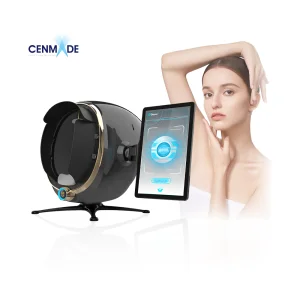
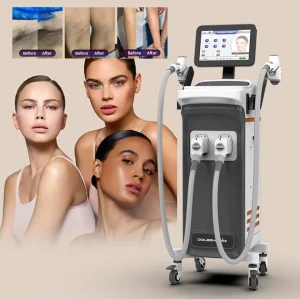
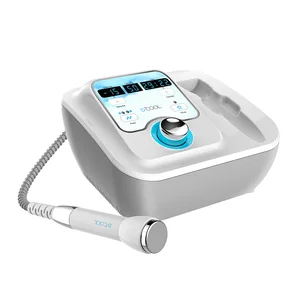
To address these safety concerns, clinical equipment must utilize advanced cooling mechanisms and precise diagnostic technology. Systems incorporating high-power diode lasers (blending 755nm, 808nm, 940nm, and 1064nm wavelengths) are critical, as the longer 1064nm wavelength bypasses the epidermis to target hair follicles safely. Simultaneously, integrating Wood's lamp diagnostics and digital 3D skin analyzers prior to any energy emission allows clinicians to accurately assess baseline epidermal moisture and subdermal pigmentation. Sourcing hardware specifically designed with thermoelectric cooling (TEC) cells ensures that patient skin remains at a comfortable 0-4°C during treatments, preventing epidermal damage even in tropical conditions.
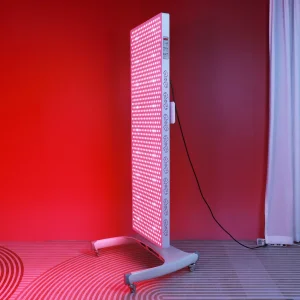
Professional Energy-Based Devices & Clinic Support Hardware
A comprehensive B2B selection designed for medical spas, clinical analysis departments, and advanced aesthetic therapy centers.
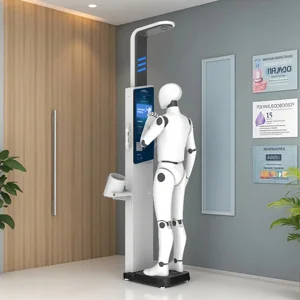
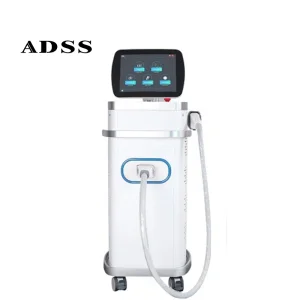
Hangzhou FMED Beauty Co., Ltd.: Your Global OEM/ODM Strategic Partner
A decade of technological advancement in photo-thermal systems, precision mechanical architecture, and international logistics integration.
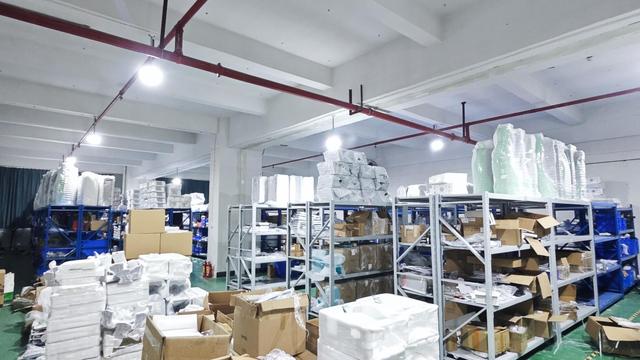
Founded in 2011, Hangzhou FMED Beauty Co., Ltd. has established itself as an innovative, high-performance manufacturer specializing in advanced skin diagnostics, energy-based therapeutic systems, and custom medical-grade plastic moldings for the global wellness industry. Operating a state-of-the-art facility spanning approximately 15,000 square meters in Hangzhou, China, our team of over 300 experienced engineers, software architects, and quality assurance specialists ensures that every device meets strict medical-grade benchmarks.
Through continuous investment in research and development, we bridge the gap between design and clinical reality. Our production lines integrate mechanical engineering, electronics development, software design, and rigorous clinical safety testing. This vertical integration allows FMED Beauty to support partners in emerging markets like Timor-Leste, Australia, Southeast Asia, Europe, and North America. Whether your facility requires custom brand identification, localized system languages, customized power distribution, or specialized cooling solutions for high-temperature climates, our extensive OEM and ODM workflows deliver reliable, market-ready results.
Manufacturing Capabilities by the Numbers
A quick look at our global manufacturing footprint and technical capabilities.
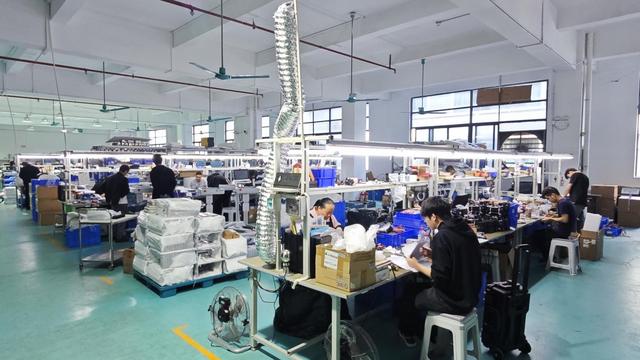
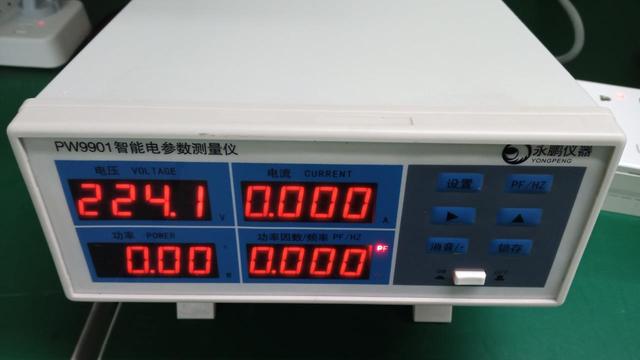
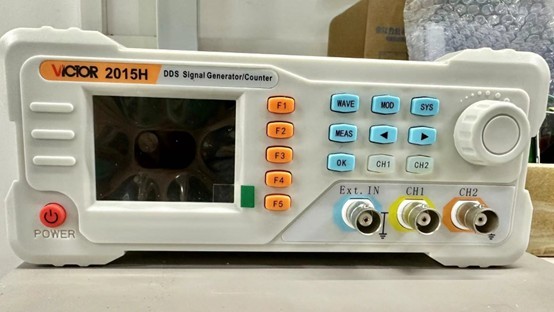
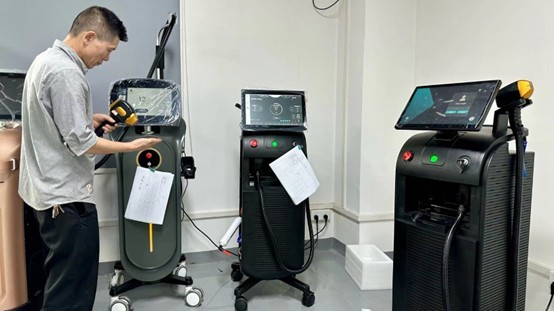
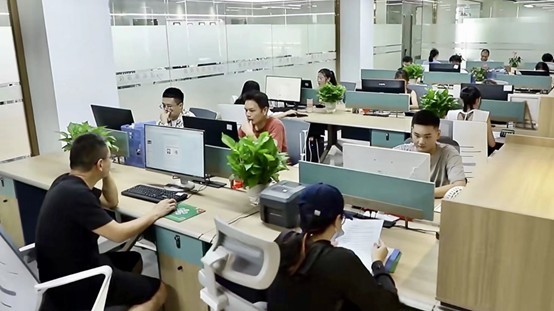
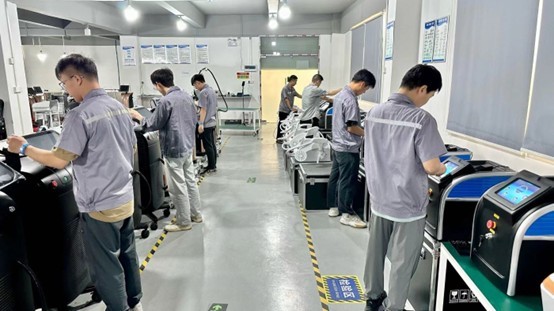
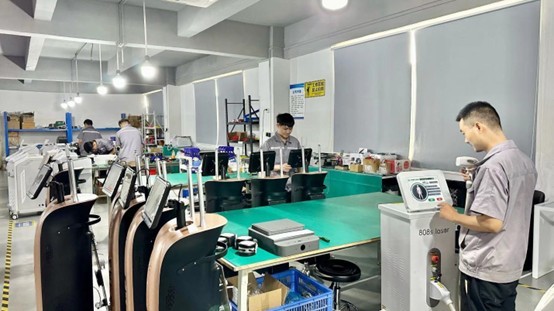
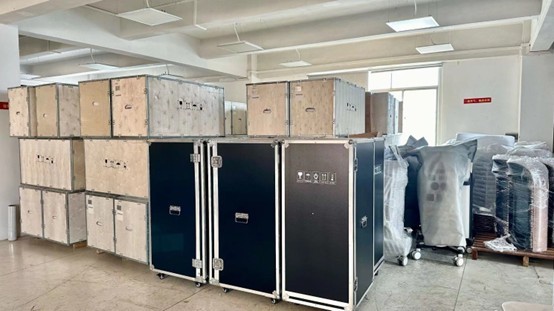
FMED Beauty Manufacturing Operations & Facility Tour
Take an inside look at our advanced engineering laboratories, production lines, and high-precision CNC processes.
Frequently Asked Questions (FAQ) & Procurement Insights
Important B2B procurement details for medical distributors, clinic owners, and importing operators in Timor-Leste and emerging markets.