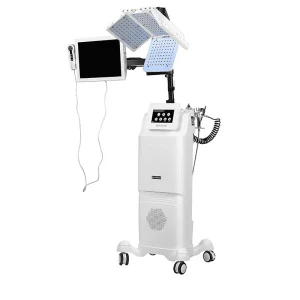
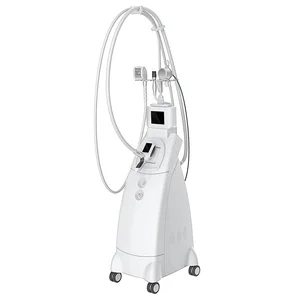
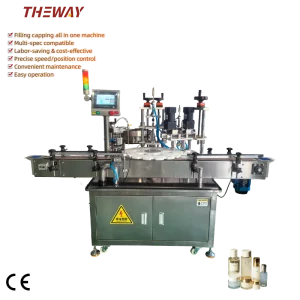
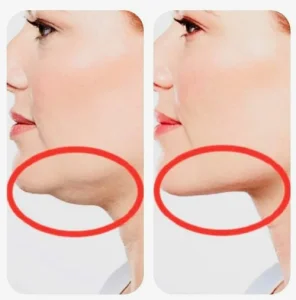
Featured Aesthetic & Precision Processing Solutions
Direct supply line from our certified modern manufacturing facility. Advanced aesthetic engineering and high-throughput production solutions.




Global Industry Status of Skin Analysis Devices
The transition from manual skin inspection to multi-spectral, AI-driven dermatological diagnosis.
Clinical Precision & B2B Sourcing Demands
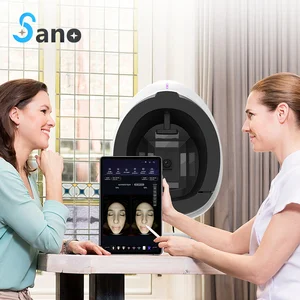
Today's skin analysis systems have transcended basic magnifying lamps. The global market now demands medical-grade multispectral imaging platforms. These specialized systems leverage RGB, polarized light (PL), ultraviolet (UV), and deep-layered brown spot imaging to isolate dermal chromophores, calculate lipid densities, track wrinkles, and visualize vascular structures. Global distributors must source devices that exhibit high optical repeatability and solid data security frameworks.
AI Integration & The SaaS Ecosystem
Hardware is no longer evaluated in isolation. Premium skin analysis devices are powered by cloud-based AI algorithms capable of cross-referencing patient scans against millions of dermatological records. Modern clinics rely on these systems as high-conversion tools, converting diagnostic evidence into customized product recommendations. For factories, offering SDK/API access and deep software integration is crucial to securing high-value contracts with medical spas and multi-national cosmetics brands.
Optoelectronic Architecture & AI Diagnostics Roadmap
Understanding the critical optical systems and software frameworks driving the industry forward.
1. Cross-Polarized Imaging
Prevents specular reflection off the skin surface. This allows deep visualization of dermal pigments, red blood cell accumulation, and underlying capillary matrices.
2. UV & Wood's Light Modalities
Illuminates sebum excretion patterns, active acne colonies via Porphyrin fluorescence, and latent photo-damage hidden beneath the stratum corneum.
3. Deep AI Segmentation
Convolutional Neural Networks (CNNs) analyze skin contours to detect early-stage volume loss, elastosis, and structural breakdown of the facial matrix.
Technical Horizon (2026-2028): Emerging platforms will integrate hyperspectral imaging sensors with real-time 3D optical scanning. This eliminates the standard positioning deviations caused by manual camera systems. Instead of simple flat mappings, users receive true volumetric reconstructions of localized facial topography, enabling precise volumetric measurement of deep wrinkles and pore volumes over longitudinal treatment periods.
Featured Industry Leader: Hangzhou FMED Beauty Co., Ltd.
Establishing global standards in medical aesthetics, cosmetic processing line fabrication, and OEM/ODM engineering.
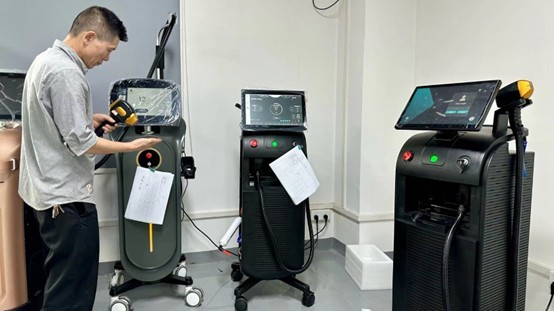
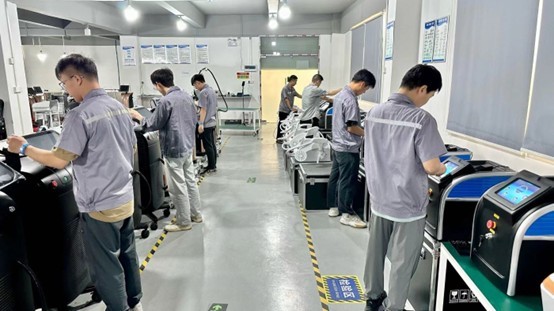
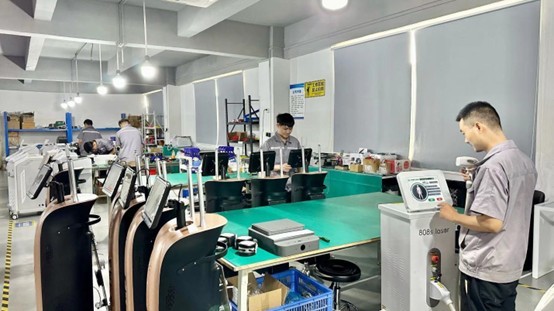
Founded in 2011, Hangzhou FMED Beauty Co., Ltd. is a professional manufacturer specializing in facial machines, beauty equipment, and aesthetic device solutions for the global beauty and personal care industry. Headquartered in Hangzhou, China, the company operates a modern manufacturing facility covering approximately 15,000 square meters and employs more than 300 professionals across research and development, engineering, production, quality management, and international sales departments.
FMED Beauty focuses on the design, development, and production of professional beauty equipment, facial treatment devices, skincare technology systems, aesthetic machines, salon equipment, spa solutions, and customized beauty technology products. The company serves beauty brands, distributors, aesthetic clinics, salons, wellness centers, and equipment importers in international markets.
Supported by an experienced R&D team and advanced manufacturing capabilities, FMED Beauty integrates electronic engineering, industrial design, software development, and product testing into its production process. The company continuously invests in technological innovation to improve device performance, user experience, operational efficiency, and product reliability.
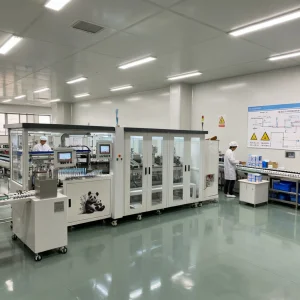
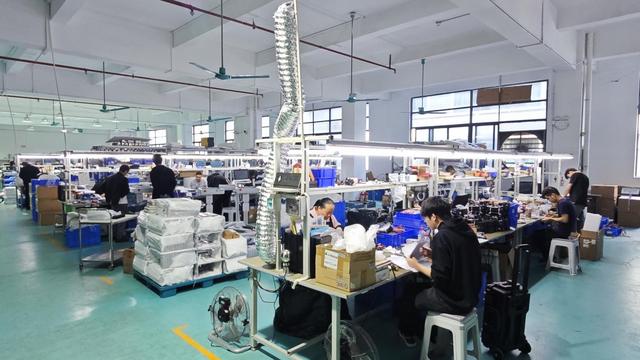
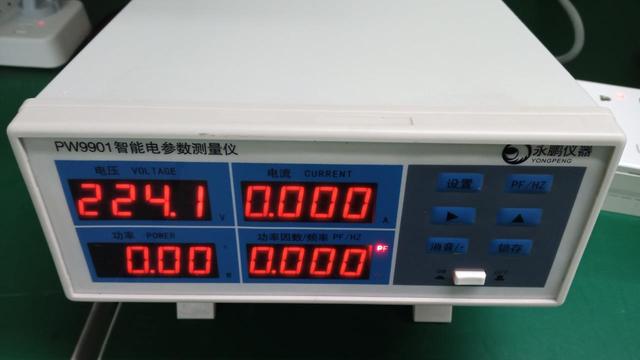
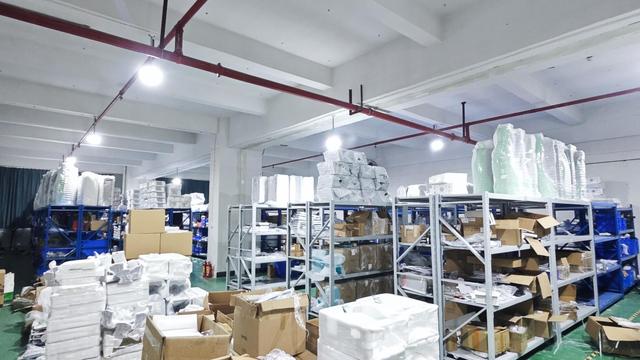
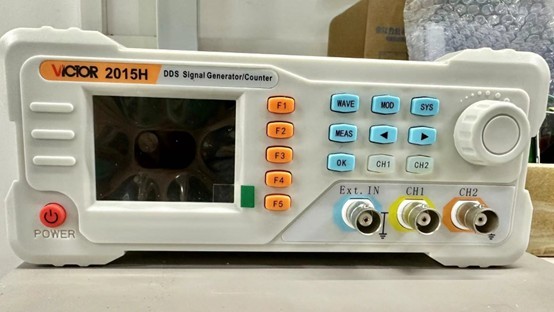
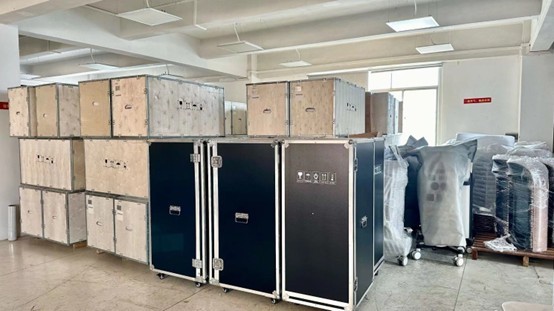
The factory is equipped with modern assembly lines, testing laboratories, quality inspection facilities, and standardized production management systems. Strict quality control procedures are implemented throughout component sourcing, assembly, calibration, testing, packaging, and final inspection to help ensure product consistency and manufacturing standards.
FMED Beauty provides comprehensive OEM and ODM services, including product customization, industrial design support, branding solutions, packaging development, and private-label manufacturing. Flexible production capabilities allow the company to support both emerging brands and established international businesses.
Today, Hangzhou FMED Beauty Co., Ltd. exports its products to Europe, North America, the Middle East, Southeast Asia, Australia, and other global markets. Through continuous innovation, manufacturing excellence, and customer-focused service, the company remains committed to delivering professional beauty equipment and aesthetic device solutions that support the evolving needs of the worldwide beauty industry.

Supply Chain Resilience: Why China Remains the Global Anchor
Unmatched capability in electronic manufacturing services, precision optical assembly, and raw material sourcing.
1. Complete Upstream-Downstream Integration
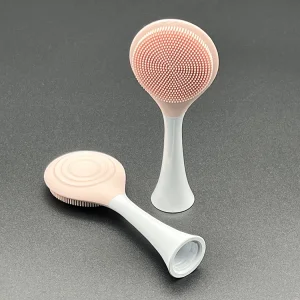
Chinese factories leverage tightly integrated regional ecosystems. Advanced custom silicone tooling, precision LSR injection molding (such as Liquid Silicone Rubber parts), high-performance optical lens manufacturing, and automated PCB surface-mounting are often completed within a 50-mile radius. This dramatic reduction in cycle times enables rapid prototyping and shortens time-to-market compared to Western counterparts.
2. Rigorous Standardization & Quality Infrastructure
Premium manufacturers implement ISO 13485 (Medical Devices Quality Management) and operate dedicated cleanroom facilities. The deployment of high-speed automatic filling lines for cosmetics and advanced assembly equipment, such as the Kaiyue Integrated Toothbrush Manufacturing Machine, reflects the broad-based industrial capability that underpins Chinese aesthetic manufacturing. Optical calibration systems are tested against international standards, guaranteeing consistent readings regardless of deployment location.
Localized Applications: Deploying Advanced Analysis Globally
How businesses customize skin analyzers to match regional consumer preferences and legal landscapes.
Medical Spas & Aesthetic Clinics
Used to perform diagnostic base-lining before running intensive energy therapies (like RF skin tightening, diode lasers, or chemical peels). Post-treatment scans provide objective proof of efficacy, boosting patient retention.
Skincare Counters & Flagship Stores
Cosmetics groups utilize lightweight, portable skin analysis systems linked to local tablets. Customers receive visual diagnostic scores that immediately justify specific product recommendations, elevating average order values.
Data Localization & Cloud Compliance
Deployments in the EU require local AWS instances to meet GDPR mandates. In the United States, patient diagnostic records must comply with HIPAA frameworks. Leading suppliers provide dedicated, localized cloud endpoints to ensure complete compliance.
Selecting the Best: Key Sourcing Benchmarks
Evaluating manufacturers requires looking beyond base pricing. Ensure your selected OEM partner meets these standards:
- Spectral Calibration Consistency: The factory must demonstrate a deviation rate of less than 1.5% across production batches using standardized light meters.
- Optical Assembly Quality: Real-time alignment of high-resolution polarization filters is essential. This guarantees that deep-pigmentation and vascular-redness readings are free from scattering distortions.
- Open-Source API Integration: An essential requirement for integrating analysis results with CRM, POS, or internal medical database platforms.
- Comprehensive Compliance Clearances: Look for verified CE, FDA, FCC, and RoHS documentation to prevent border customs holding.
Strategic Sourcing & Technical FAQ
Providing direct answers to critical questions faced by procurement managers and distributors.
Additional Aesthetic & Sourcing Solutions
Integrate robust skin diagnostic and wellness devices into your distribution portfolio.